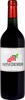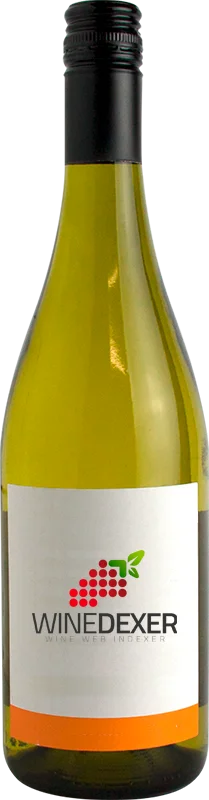
Vignobles FitèreLa Palmeraie Côtes de Gascogne Moelleux
 Sweet wine


This wine generally goes well with
Details and technical informations about Vignobles Fitère's La Palmeraie Côtes de Gascogne Moelleux.
Discover the grape variety: Gros Cabernet
A very old variety grown in the Bordeaux region, where it originated. It is the result of a natural intraspecific cross between iron and black txakoli, although this has yet to be confirmed, especially as the latter has the same synonym (h)ondarrabi beltza, which is also attributed to cabernet franc. According to genetic analyses carried out in Montpellier (Hérault), gros Cabernet is the mother of carmenère. Almost unknown in other French wine regions, gros Cabernet is no longer replanted and is therefore in danger of disappearing. It can sometimes be found in isolated strains in very old vines, in Germany, in the south of Australia, and can now be found in wine conservatories in the south-west of France, ... .
Last vintages of this wine
The best vintages of La Palmeraie Côtes de Gascogne Moelleux from Vignobles Fitère are 2015
Informations about the Vignobles Fitère
The Vignobles Fitère is one of of the world's great estates. It offers 41 wines for sale in the of Côtes de Gascogne to come and discover on site or to buy online.

The wine region of Côtes de Gascogne
The wine region of Côtes de Gascogne is located in the region of Comté Tolosan of Vin de Pays of France. Wineries and vineyards like the Domaine Sichel or the Domaine Haut-Marin produce mainly wines white, red and sweet. The most planted grape varieties in the region of Côtes de Gascogne are Colombard, Gros Manseng and Merlot, they are then used in wines in blends or as a single variety. On the nose of Côtes de Gascogne often reveals types of flavors of red fruit, tangerine or jam and sometimes also flavors of watermelon, pomegranate or lemon grass.
The wine region of Comté Tolosan
Comte Tolosan is a PGI title that covers wines produced in a large area of Southwestern France. The PGI basin encompasses 12 administrative dePartments and is home to a wide range of appellations d'origine contrôlée (AOC) such as Jurançon, Cahors and Armagnac. The IGP label provides a geographical classification for wines that are not classified for AOC level appellations due to Grape variety or winemaking style. The region is part of the Aquitaine basin - the plains that lie between the Pyrenees, the Massif Central and the Atlantic Ocean to the west.
The word of the wine: Fruity
A wine whose nose is first characterized by aromas reminiscent of the world of fruit. A wine to be drunk young is essentially fruity, but all wines offer this type of aroma in the first place, which can evolve over time, from the scent of fresh fruit to cooked, stewed, candied or brandied fruit.