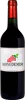
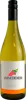
Winery Fischborn SchenkGrauer Burgunder
 White wine



In the mouth this white wine is a .
This wine generally goes well with pork, cured meat or mushrooms.
Taste structure of the Grauer Burgunder from the Winery Fischborn Schenk
Light | Bold | |
Dry | Sweet | |
Soft | Acidic |
In the mouth the Grauer Burgunder of Winery Fischborn Schenk in the region of Nahe is a .
Wine flavors and olphactive analysis




On the nose the Grauer Burgunder of Winery Fischborn Schenk in the region of Nahe often reveals types of flavors of non oak, earth or microbio and sometimes also flavors of oak, tree fruit or spices.
Food and wine pairings with Grauer Burgunder
Pairings that work perfectly with Grauer Burgunder


Original food and wine pairings with Grauer Burgunder

The Grauer Burgunder of Winery Fischborn Schenk matches generally quite well with dishes of pork, spicy food or mushrooms such as recipes of butternut and goat cheese gratin, couscous without couscous maker or english breakfast.
Details and technical informations about Winery Fischborn Schenk's Grauer Burgunder.
Discover the grape variety: Chardonnay
The white Chardonnay is a grape variety that originated in France (Burgundy). It produces a variety of grape specially used for wine making. It is rare to find this grape to eat on our tables. This variety of grape is characterized by small bunches, and small grapes. White Chardonnay can be found in many vineyards: South West, Burgundy, Jura, Languedoc & Roussillon, Cognac, Bordeaux, Beaujolais, Savoie & Bugey, Loire Valley, Champagne, Rhone Valley, Armagnac, Lorraine, Alsace, Provence & Corsica.
Last vintages of this wine
The best vintages of Grauer Burgunder from Winery Fischborn Schenk are 0
Informations about the Winery Fischborn Schenk
The Winery Fischborn Schenk is one of of the world's greatest estates. It offers 18 wines for sale in the of Nahe to come and discover on site or to buy online.

The wine region of Nahe
Nahe is one of the smaller German wine regions, named after the Nahe river which joins the Rhein at Rheinhessen/bingen">Bingen. The viticultural carea here is characterised by dramatic topography with steep slopes and craggy outcrops of metamorphic rock. Like most of the regions on or near the Rhine, its most prestigious wines are made from Riesling. There are around 4,000 hectares (10,000 acres) of Vineyards, spread across seven Grosslagen (wine districts) and over 300 Einzellagen (individual vineyard sites).
The word of the wine: Cryo-extraction
This technique was very popular at the end of the 80's in Sauternes, a little less so now. The grapes are frozen before pressing, and the water transformed into ice remains in the marc, only the sugar flows out. As with the concentrators, the "cryo" can also increase bad taste and greenness.