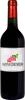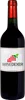
Winery First CapeCafé Collection Crisp and Fresh Rosé
 Pink wine



This wine generally goes well with

Details and technical informations about Winery First Cape's Café Collection Crisp and Fresh Rosé.
Discover the grape variety: Muscat Ottonel
Delicate and fine muscat whites with a tender palate and moderate acidity, on intense and refined aromas of orange blossom, rose, fresh grape, citrus, white peach and airy muscat (more subtle than Muscat Blanc à Petits Grains). Made as aromatic dry aperitif whites (Alsace, Baden), off-dry and sumptuous botrytised liquoreux (Burgenland in Austria, Cotnari in Romania, Tokaj). Created in the 19th century by Robert Moreau (Angers), a cross of Chasselas × Muscat de Saumur.
Last vintages of this wine
The best vintages of Café Collection Crisp and Fresh Rosé from Winery First Cape are 0
Informations about the Winery First Cape
The Winery First Cape is one of of the world's great estates. It offers 76 wines for sale in the of Breede River Valley to come and discover on site or to buy online.

The wine region of Breede River Valley
Largest wine valley of the Western Cape in South Africa (~40% of the country's vines), three districts: Worcester, Robertson, Breedekloof. Chenin Blanc flagship white: ample and fruity with signature notes of white apple, pear, peach, honey and mineral touch, round and long palate — supple, from dry to off-dry. Fresh Colombard, lively Sauvignon, ample Chardonnay. Sun-soaked Shiraz reds (blackberry, pepper), firm Cabernet, fruity Pinotage.
The wine region of Western Cape
Cradle of South African wine. Signature Chenin Blanc (Steen, 20%) in ample, fresh whites with notes of quince, yellow apple, honey and acacia flower, from crisp dry to sweet. Sharp, iodised Sauvignon Blanc (Walker Bay, Constantia), balanced Chardonnay. Reds: emblematic Pinotage with roasted aromas (coffee, plum, smoke), firm Cabernet Sauvignon, spicy Syrah.
The word of the wine: Oxidative (breeding)
A method of ageing which aims to give the wine certain aromas of evolution (dried fruit, bitter orange, coffee, rancio, etc.) by exposing it to the air; it is then matured either in barrels, demi-muids or unoaked casks, sometimes stored in the open air, or in barrels exposed to the sun and to temperature variations. This type of maturation characterizes certain natural sweet wines, ports and other liqueur wines.