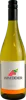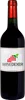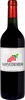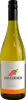
Winery Filigrane WinesHauts de Cosprons
 wine
wine
This wine generally goes well with
The Hauts de Cosprons of the Winery Filigrane Wines is in the top 0 of wines of Collioure.
Details and technical informations about Winery Filigrane Wines's Hauts de Cosprons.
Discover the grape variety: Arbane
Arbane or arbanne is a very old white grape variety from the north/east of France, coming from the Aube and more precisely from the Champagne region. The Comité Interprofessionnel des Vins de Champagne wishes to preserve the use of traditional grape varieties of Champagne. The Arbane is a small bunch of grapes with small berries and a very sweet pulp, a late variety that needs sun and heat to concentrate all its sugars. It gives a wine rich in alcohol, elegant and nervous, with a floral nose and a nice acidity.
Informations about the Winery Filigrane Wines
The Winery Filigrane Wines is one of of the world's greatest estates. It offers 4 wines for sale in the of Collioure to come and discover on site or to buy online.

The wine region of Collioure
Collioure is a very small appellation in the Roussillon region (also known as French Catalonia) in southeastern France, near the border with Spain on the Mediterranean coast, about 30 kilometers southwest of Perpignan. It produces PowerfulDry red and white wines from France's southernmost Vineyard. The appellation comprises four communes, including the one from which it takes its name, plus Cerbère, Port-Vendres and Banyuls. Collioure wines are the dry table wines of the region, while those bearing the name Banyuls are the Sweet wines produced in exactly the same vineyards.
The wine region of Languedoc-Roussillon
Languedoc (formerly Coteaux du Languedoc) is a key appellation used in the Languedoc-Roussillon wine region of southern France. It covers Dry table wines of all three colors (red, white and rosé) from the entire region, but leaves Sweet and Sparkling wines to other more specialized appellations. About 75% of all Languedoc wines are red, with the remaining 25% split roughly down the middle between whites and rosés. The appellation covers most of the Languedoc region and almost a third of all the vineyards in France.
The word of the wine: Hybrid
Term designating grape varieties obtained from two different vine species.