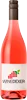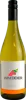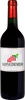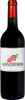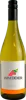
Château de la FessardièreLa Croule Coteaux de Saumur
 Red wine
This wine generally goes well with
Details and technical informations about Château de la Fessardière's La Croule Coteaux de Saumur.
Discover the grape variety: Barbera blanche
An ancient grape variety that has been cultivated for a long time in the Italian Piedmont, now less and less planted, and practically unknown in France as in all other wine-producing countries. Note that it is not related to Barbera Nero.
Informations about the Château de la Fessardière
The Château de la Fessardière is one of of the world's greatest estates. It offers 13 wines for sale in the of Coteaux de Saumur to come and discover on site or to buy online.

The wine region of Coteaux de Saumur
The wine region of Coteaux de Saumur is located in the region of Saumur of Loire Valley of France. Wineries and vineyards like the Domaine de Nerleux or the Château de Targé produce mainly wines white, sweet and red. The most planted grape varieties in the region of Coteaux de Saumur are Chenin blanc et Cabernet franc, they are then used in wines in blends or as a single variety. On the nose of Coteaux de Saumur often reveals types of flavors of honey, earth or tree fruit and sometimes also flavors of citrus fruit.
The wine region of Loire Valley
The Loire Valley is a key wine region in western France. It follows the course of the Loire River on its Long journey through the heart of France, from the inland hills of the Auvergne to the plains of the French Atlantic coast near Nantes (Muscadet country). Important in terms of quantity and quality, the region produces large quantities (about 4 million h/l each year) of everyday wines, as well as some of France's greatest wines. Diversity is another of the region's major assets; the styles of wine produced here range from the light, tangy Muscadet to the Sweet, honeyed Bonnezeaux, the Sparkling whites of Vouvray and the juicy, Tannic reds of Chinon and Saumur.
The word of the wine: Tanin
A natural compound contained in the skin of the grape, the seed or the woody part of the bunch, the stalk. The maceration of red wines allows the extraction of tannins, which give the texture, the solidity and also the mellowness when the tannins are "ripe". The winemaker seeks above all to extract the tannins from the skin, the ripest and most noble. The tannins of the seed or stalk, which are "greener", especially in average years, give the wine hardness and astringency. The wines of Bordeaux (based on Cabernet and Merlot) are full of tannins, those of Burgundy much less so, with Pinot Noir containing little.