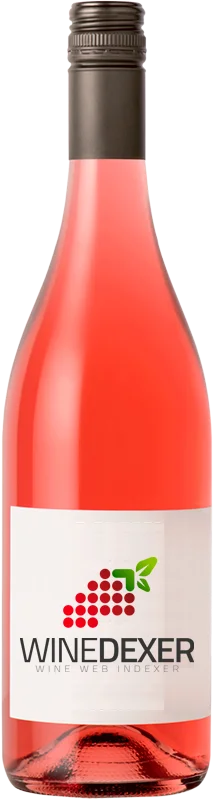
Winery FerrantePink Catawba
 Pink wine



This wine generally goes well with
The Pink Catawba of the Winery Ferrante is in the top 90 of wines of Lake Erie.

Details and technical informations about Winery Ferrante's Pink Catawba.
Discover the grape variety: Catawba
Aromatic and sweet whites and rosés, with a supple mouthfeel and preserved acidity, with intense aromas of fresh grape, strawberry, raspberry, flowers and the characteristic foxy note (the typical musky animal character of labrusca). Often vinified as medium-sweet, sparkling demi-sec and grape juice. Historic star of Ohio (Lake Erie), New York (Finger Lakes), Missouri and Ontario vineyards. A Vitis labrusca hybrid discovered around 1820 in North Carolina, one of the oldest American varieties.
Last vintages of this wine
The best vintages of Pink Catawba from Winery Ferrante are 0
Informations about the Winery Ferrante
The Winery Ferrante is one of of the world's greatest estates. It offers 37 wines for sale in the of Lake Erie to come and discover on site or to buy online.

The wine region of Lake Erie
Largest US AVA east of the Rockies (~16,000 ha) spanning New York, Pennsylvania and Ohio along Lake Erie. Lake-moderated climate extends the season. Concord signature labrusca grape (juice, jellies) with the distinctive "foxy" note. Rising vinifera: tense Riesling (lemon, green apple), full Chardonnay, peppery Cabernet Franc (raspberry, herb), floral Pinot Gris.
The wine region of Ohio
Midwestern wine state tempered by the Great Lakes, a cool climate. Signature Grand River Valley Riesling: chiselled, precise whites with signature notes of citrus, white peach, green apple, white flowers and a mineral touch, crisp acidity — compared to the neighbouring Finger Lakes. Buttery Chardonnay, fine silky Pinot Noir, peppery-raspberry Cabernet Franc. Also sweet Vidal Blanc hybrids, Catawba, Concord.
The word of the wine: Oenologist
Specialist in wine-making techniques. It is a profession and not a passion: one can be an oenophile without being an oenologist (and the opposite too!). Formerly attached to the Faculty of Pharmacy, oenology studies have become independent and have their own university course. Learning to make wine requires a good chemical background but also, increasingly, a good knowledge of the plant. Some oenologists work in laboratories (analysis). Others, the consulting oenologists, work directly in the properties.