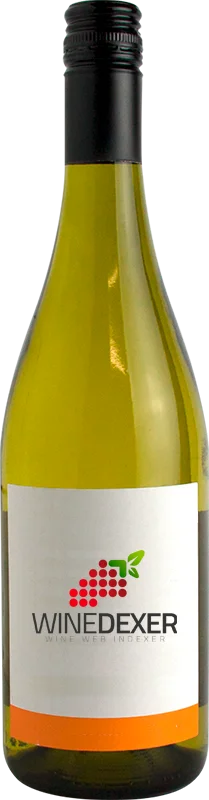
Winery FeindOlaszrizling
 White wine


This wine generally goes well with vegetarian, poultry or mature and hard cheese.

Wine flavors and olphactive analysis



On the nose the Olaszrizling of Winery Feind in the region of Balaton often reveals types of flavors of non oak, oak or tree fruit and sometimes also flavors of spices, citrus fruit.
Food and wine pairings with Olaszrizling
Pairings that work perfectly with Olaszrizling



Original food and wine pairings with Olaszrizling
The Olaszrizling of Winery Feind matches generally quite well with dishes of mature and hard cheese, vegetarian or poultry such as recipes of lasagna of the sea with zucchini, quiche with bacon and gruyère cheese or violet omelette.
Details and technical informations about Winery Feind's Olaszrizling.
Discover the grape variety: Gros Colman
Table grape with long clusters and spherical blue-black berries with thick skin and juicy flesh, with a pleasant sweet taste. Late-ripening. Very rarely vinified. Father of the Alphonse Lavallée. Now marginal in commercial cultivation, it survives in a few amateur gardens and ampelographic collections for its heritage value and genetic interest. French black table grape variety, grown for fresh consumption in the 19th century.
Last vintages of this wine

The best vintages of Olaszrizling from Winery Feind are 2011, 2015, 2017, 2013 and 2014.
Informations about the Winery Feind
The Winery Feind is one of of the world's greatest estates. It offers 45 wines for sale in the of Balaton to come and discover on site or to buy online.

The wine region of Balaton
Hungarian region around the largest lake in Central Europe, 6 zones including volcanic Badacsony. Signature Olaszrizling (Welschriesling), Hungary's most planted grape: lively, mineral whites with signature notes of almond, citrus, green apple, white flowers and a herbaceous touch, a crisp finish - a typical thirst-quenching wine. Also round Szürkebarát (Pinot Gris), ample Chardonnay, rare native Kéknyelű. Basalt in the north, lakeside climate.
The word of the wine: Destemming
Operation consisting in eliminating the vegetal part of the bunch supporting the berries, its maceration with the must giving a herbaceous taste to the wine.