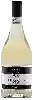
Winery FaziCastelli Romani Bianco
 wine
wine
This wine generally goes well with
The Castelli Romani Bianco of the Winery Fazi is in the top 0 of wines of Castelli Romani.
Details and technical informations about Winery Fazi's Castelli Romani Bianco.
Discover the grape variety: Zinfandel
From Croatia where it is called crljenak kastelanski or pribidrag. According to genetic analyses carried out by Professor Carole Meredith of California University in Davis (United States), it is related to the Croatian plavac mali and Zinfandel. It is also found in South Africa, New Zealand, Chile, Brazil, Germany, Bulgaria, Albania, Italy under the name of Primitivo, Malta, Greece, Portugal and to some extent in Croatia. In the United States (California), it is one of the most widely planted grape varieties, having been introduced in the 1830s well before Primitivo. In France, it is registered in the official catalogue of vine varieties on the A1 list under the name Primitivo.
Informations about the Winery Fazi
The Winery Fazi is one of of the world's greatest estates. It offers 6 wines for sale in the of Castelli Romani to come and discover on site or to buy online.

The wine region of Castelli Romani
The wine region of Castelli Romani is located in the region of Latium of Italy. Wineries and vineyards like the Domaine Fontana Candida or the Domaine Gotto d'Oro produce mainly wines red, white and pink. The most planted grape varieties in the region of Castelli Romani are Sangiovese, Merlot and Cabernet franc, they are then used in wines in blends or as a single variety. On the nose of Castelli Romani often reveals types of flavors of earthy, blueberry or plum and sometimes also flavors of raspberry, earth or oak.
The wine region of Lazio
Lazio is a region in CentralItaly, where the ancient capital of Rome is located. The region's reputation is based primarily on its white wines, the main varieties of which are Trebbiano, Malvasia di Candia and Malvasia Puntinata. Traditionally, these wines were fat, Round, abboccato and intended for immediate consumption. Today, the styles are lighter, drier and crisper thanks to modern winemaking methods.
The word of the wine: Lactic (acid)
Acid obtained by malolactic fermentation.