The Winery Fayenzas of Valence
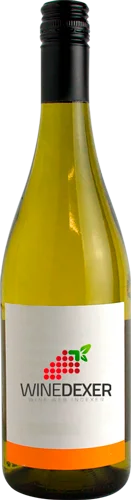
The Winery Fayenzas is one of the best wineries to follow in Valence.. It offers 3 wines for sale in of Valence to come and discover on site or to buy online.
Looking for the best Winery Fayenzas wines in Valence among all the wines in the region? Check out our tops of the best red, white or effervescent Winery Fayenzas wines. Also find some food and wine pairings that may be suitable with the wines from this area. Learn more about the region and the Winery Fayenzas wines with technical and enological descriptions.
How Winery Fayenzas wines pair with each other generally quite well with dishes such as recipes .
Valencia is a province in the centre of Spain's sunny east coast, perhaps better known for its oranges (and paella) than its wine. The administrative Center of Valencia is the city of the same name, the third largest in Spain and the largest port on the Mediterranean. Archaeological evidence suggests that wine making in Valencia dates back more than a thousand years, but the region has never been particularly prominent on the world wine map. In modern times, Valencia's wine production has focused on quantity rather than quality, although this is gradually changing.
In addition to the DO Valencia title, this province is also home to the Denominación de Origen Utiel-Requena. The laws relating to DO Valencia are overseen by the local Consejo Regulador (wine authority), established in 1957. The Valencia DO wine title covers 13,000 hectares (32,000 acres), unevenly divided between two distinct geographical areas. The smaller area, Clarino, is about 65 kilometers (40 miles) southwest of the city of Valencia, bordering the northern boundary of the Alicante DO area.
How Winery Fayenzas wines pair with each other generally quite well with dishes of beef, pasta or veal such as recipes of quick beef bourguignon, spaghetti with clams or milanese osso buco.
How Winery Fayenzas wines pair with each other generally quite well with dishes of beef, lamb or pork such as recipes of fricandeaux german style, lamb collar with mustard or coconut from paimpol.
The addition of sugar at the time of fermentation of the must, an ancient practice, but theorized by Jean-Antoine Chaptal at the dawn of the 19th century. The sugar is transformed into alcohol and allows the natural degree of the wine to be raised in a weak or cold year, or - more questionably - when the winegrower has a harvest that is too large to obtain good maturity.
Planning a wine route in the of Valence? Here are the wineries to visit and the winemakers to meet during your trip in search of wines similar to Winery Fayenzas.