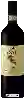
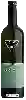
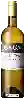
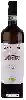
Winery FasanoPinot Grigio
 White wine


In the mouth this white wine is a .
This wine generally goes well with vegetarian, shellfish or mushrooms.

Taste structure of the Pinot Grigio from the Winery Fasano
Light | Bold | |
Dry | Sweet | |
Soft | Acidic |
In the mouth the Pinot Grigio of Winery Fasano in the region of Piedmont is a .
Food and wine pairings with Pinot Grigio
Pairings that work perfectly with Pinot Grigio



Original food and wine pairings with Pinot Grigio

The Pinot Grigio of Winery Fasano matches generally quite well with dishes of shellfish, vegetarian or mushrooms such as recipes of gari (cassava flour) with shrimps (africa), broccoli and blue cheese quiche without pastry or beef cheek burgundy style.
Details and technical informations about Winery Fasano's Pinot Grigio.
Discover the grape variety: Malvasia Fina
Structured, aromatic dry whites with a pale golden robe, an ample palate and moderate acidity, showing signature aromas of yellow fruits (pear, peach, apricot), white flowers (acacia), almond and schist mineral notes. Fine ageing potential. A traditional component of Douro DOC and Dão DOC whites and white Port. A Portuguese variety of the Malvasia family, widely grown in north-eastern Portugal.
Last vintages of this wine
The best vintages of Pinot Grigio from Winery Fasano are 2015, 2017, 0, 2016
Informations about the Winery Fasano
The Winery Fasano is one of of the world's greatest estates. It offers 13 wines for sale in the of Piedmont to come and discover on site or to buy online.

The wine region of Piedmont
Kingdom of Nebbiolo: Barolo and Barbaresco DOCG, long-ageing reds with firm tannins and lively acidity, complex aromas of withered rose, sour cherry, tar, truffle and undergrowth. More accessible, tangy Barbera on red fruit, supple, crisp Dolcetto. Sweet, floral sparkling Moscato d'Asti, mineral, lemony Gavi (Cortese) white, round, almondy Arneis from Roero. 50,000 ha across the Langhe, Roero and Monferrato, UNESCO.
The word of the wine: Monopoly (raw)
Cru exploited exclusively by a domain. The famous Romanée Conti is a monopoly cru.