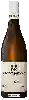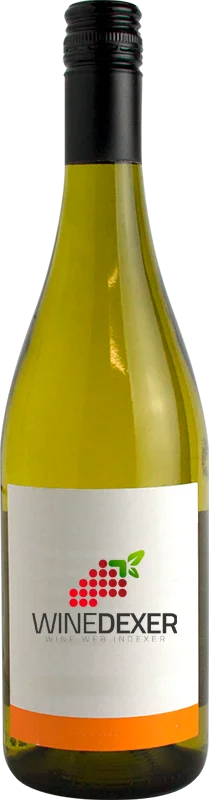
Winery FairhillsSauvignon Blanc
 White wine


In the mouth this white wine is a with a nice freshness.
This wine generally goes well with vegetarian, shellfish or goat cheese.

Taste structure of the Sauvignon Blanc from the Winery Fairhills
Light | Bold | |
Dry | Sweet | |
Soft | Acidic |
In the mouth the Sauvignon Blanc of Winery Fairhills in the region of Western Cape is a with a nice freshness.
Food and wine pairings with Sauvignon Blanc
Pairings that work perfectly with Sauvignon Blanc



Original food and wine pairings with Sauvignon Blanc
The Sauvignon Blanc of Winery Fairhills matches generally quite well with dishes of shellfish, vegetarian or goat cheese such as recipes of fish and shrimp wok with curry, ham and comté quiche or vegetarian sandwich club.
Details and technical informations about Winery Fairhills's Sauvignon Blanc.
Discover the grape variety: Cabernet-Volos
Deeply coloured, structured reds with a deep purple robe, firm tannins, an ample palate and preserved acidity; signature aromas of dark fruits (blackcurrant, blackberry), spices and herbal notes reminiscent of cabernet. Resistant to downy and powdery mildew. Grown in Switzerland, Germany and Belgium for modern organic vineyards in continental climates. Swiss black hybrid bred by Valentin Blattner in Soyhières (cabernet sauvignon × resistant).
Last vintages of this wine
The best vintages of Sauvignon Blanc from Winery Fairhills are 2015, 0
Informations about the Winery Fairhills
The Winery Fairhills is one of of the world's great estates. It offers 24 wines for sale in the of Western Cape to come and discover on site or to buy online.

The wine region of Western Cape
Cradle of South African wine. Signature Chenin Blanc (Steen, 20%) in ample, fresh whites with notes of quince, yellow apple, honey and acacia flower, from crisp dry to sweet. Sharp, iodised Sauvignon Blanc (Walker Bay, Constantia), balanced Chardonnay. Reds: emblematic Pinotage with roasted aromas (coffee, plum, smoke), firm Cabernet Sauvignon, spicy Syrah.
The word of the wine: Grafting
A method used since the phylloxera crisis, consisting of fixing a graft of local origin on a rootstock resistant to phylloxera.