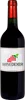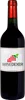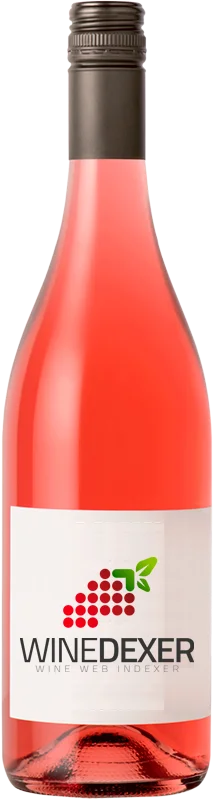
Winery Fabio CordellaMesciu Ttàu Salice Salentino Rosato
 Pink wine
This wine generally goes well with
The Mesciu Ttàu Salice Salentino Rosato of the Winery Fabio Cordella is in the top 30 of wines of Salice Salentino.

Details and technical informations about Winery Fabio Cordella's Mesciu Ttàu Salice Salentino Rosato.
Discover the grape variety: Mondeusehe
Light, lively whites to drink young with a pale golden colour, airy palate with preserved acidity, showing undemonstrative aromas of citrus and alpine white flowers. Discreet Savoyard profile. Very rare, preserved for its heritage value, part of the ancient alpine varieties studied for their genetic and ampelographic interest in French collections. Rare French white variety, sometimes given as a synonym for the Savoyard Mondeuse Blanche.
Informations about the Winery Fabio Cordella
The Winery Fabio Cordella is one of of the world's great estates. It offers 54 wines for sale in the of Salice Salentino to come and discover on site or to buy online.

The wine region of Salice Salentino
Apulia DOC in the heel of the boot (Salento), realm of native Negroamaro (min. 75-90%) on terra rossa. Signature powerful sunny reds with notes of candied black cherry, blackberry, tobacco, leather, liquorice and sweet spice touch, round tannins and warm mouth — Southern heat in the bottle. Often completed by aromatic Malvasia Nera.
The wine region of Puglia
Heel of the boot, 80% red vineyard, sunny and generous. Fleshy, jammy Primitivo (= Zinfandel) with notes of black cherry, plum, chocolate and spices, powerful alcohol and melted tannins, a star in Primitivo di Manduria. Deep, structured Negroamaro (black-bitter) with a bitter finish in Salice Salentino. Structured Nero di Troia, spicy Susumaniello.
The word of the wine: Provignage
A vine reproduction technique that consists of burying a vine shoot that takes root and reproduces a plant with the same characteristics as the vine to which it is attached.