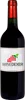
Winery EvanseaMerlot
 wine
wine
This wine generally goes well with
The Merlot of the Winery Evansea is in the top 0 of wines of Lodi.

Details and technical informations about Winery Evansea's Merlot.
Discover the grape variety: Orange Muscat
Intense and aromatic muscat whites as dry, sweet and fortified wines, with a pale golden to amber robe depending on vinification, an ample and perfumed palate, showing powerful muscat signature aromas, characteristic orange peel, orange blossom, exotic fruits (lychee, mango) and honey. Grown in California, Australia and South Africa, prized for aromatic sweet fortified wines and dessert muscats. Aromatic American white grape, muscat variation with orange aromas.
Informations about the Winery Evansea
The Winery Evansea is one of of the world's greatest estates. It offers 8 wines for sale in the of Lodi to come and discover on site or to buy online.

The wine region of Lodi
Self-proclaimed world capital of Zinfandel (>40% of premium Californian production): old-vine red king (plantings from 1888) — opulent and jammy with notes of blackberry, plum, raspberry, pepper, liquorice and a tobacco touch, coated tannins. Cabernet, Syrah, Merlot, Tempranillo, Albariño, Barbera and Primitivo in the palette (>100 grapes). Viognier and Chardonnay in whites. Central Californian AVA (1986) east of the bay, Mediterranean climate tempered by the delta.
The wine region of California
Powerful, sunny reds: dense Napa Cabernet Sauvignon (blackcurrant, chocolate, tobacco, ample tannins), spicy, jammy Zinfandel from the Sierra Foothills, silky red-fruited Pinot Noir on the cool coast (Sonoma, Russian River, Central Coast). Opulent, buttery Chardonnay, notes of yellow fruit and vanilla. Varied climate, from the hot interior to the Pacific-cooled coast. 80% of US production, 139 AVAs including Napa (1st AVA, 1981).
The word of the wine: Passerillage
Concentration of the grape by drying out, under the influence of wind or sun, as opposed to botrytisation, which is the concentration obtained by the development of the "noble rot" for which Botrytis cinerea is responsible. The word is mainly used for sweet wines.