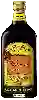
Winery BarceloCaballo Blanco Moscatel
 wine
wine
This wine generally goes well with
The Caballo Blanco Moscatel of the Winery Barcelo is in the top 0 of wines of Castille-et-Léon.

Details and technical informations about Winery Barcelo's Caballo Blanco Moscatel.
Discover the grape variety: Mondeuse noire
Structured and elegant reds with a deep ruby colour, firm tannins and fresh alpine acidity, on aromas of black fruits (blackcurrant, blackberry), violet, pepper, spices and characteristic menthol notes. Fine ageing potential on marl-limestone terroirs. Star of the great crus of Vin de Savoie AOC (Arbin, Saint-Jean-de-la-Porte, Chignin), producing the identity alpine reds. Savoyard native variety, sometimes linked to Refosco dal Peduncolo Rosso from Friuli.
Informations about the Winery Barcelo
The Winery Barcelo is one of of the world's great estates. It offers 17 wines for sale in the of Castille-et-Léon to come and discover on site or to buy online.

The wine region of Castille-et-Léon
Cradle of great Castilian reds on high-altitude plateaus (450-1000 m) of the Duero. Tempranillo king (Tinto Fino, Tinta de Toro): powerful, structured reds with notes of black cherry, blackberry, plum, leather and spices, firm tannins and length worthy of long ageing. Stars: Ribera del Duero (Vega Sicilia, Pingus), fleshy Toro, Bierzo (fresh mineral Mencía). Lively herbaceous Verdejo whites from Rueda, cut grass and citrus.
The word of the wine: Body
Character of a wine combining a good constitution (structure and flesh) with warmth.