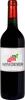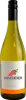
Winery Duprat FrèresFleur des Landes Rosé
 Pink wine



This wine generally goes well with

Details and technical informations about Winery Duprat Frères's Fleur des Landes Rosé.
Discover the grape variety: Arinto du Dâo
Dry, lively and structured whites, with a pale golden robe, an elongated palate with very preserved acidity on citrus (lemon, grapefruit), green apple, white flowers and mineral notes from the Dão. Taut profile adding freshness and nerve. Blended into Dão DOC whites alongside Encruzado, Bical and Portuguese Verdelho. Arinto variety grown in the Dão region, north-central Portugal.
Informations about the Winery Duprat Frères
The Winery Duprat Frères is one of of the world's great estates. It offers 41 wines for sale in the of Landes to come and discover on site or to buy online.

The wine region of Landes
IGP of the South-West (Landes, ~19,000 hl/year, humid oceanic climate, sandy-acidic to clay-limestone soils): signature Colombard, Ugni Blanc, Sauvignon Blanc and Gros Manseng as white kings (60%) — dry, fresh, fruity and well-balanced profile with floral and citrus notes. Merlot, Cabernet Sauvignon, Cabernet Franc and Tannat in powerful structured reds (25%). Charming and fleshy roses (15%). Warm sunny late seasons favourable to intense aromatic over-ripening.
The wine region of Comté Tolosan
IGP covering all of southwest France across 12 departments, a broad and accessible palette. On the Garonne right bank, supple reds dominate: signature Merlot with signature notes of plum, ripe cherry, cocoa and a herbaceous touch, round tannins. Firm Cabernet, spicy Syrah, tannic local Tannat. Left bank for whites: vivid Colombard and Gros Manseng (citrus, grapefruit, exotic fruits), aromatic Sauvignon.
The word of the wine: Jeroboam
Bottle with a capacity of 5 litres.