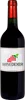
Winery Duck PondGamay Noir
 Red wine


This wine generally goes well with

Wine flavors and olphactive analysis


On the nose the Gamay Noir of Winery Duck Pond in the region of Oregon often reveals types of flavors of non oak, oak or spices and sometimes also flavors of red fruit.
Details and technical informations about Winery Duck Pond's Gamay Noir.
Discover the grape variety: Couderc 4401
Coloured, simple fruity reds with a light purple robe, soft tannins and an airy palate, showing undemanding aromas of red and black fruits. Productive. Marginal today, surviving in a few French varietal collections, it testifies to the history of post-phylloxera hybridisation. French black hybrid bred by Georges Couderc at the end of the 19th century, in the lineage of phylloxera-resistant crosses.
Last vintages of this wine

The best vintages of Gamay Noir from Winery Duck Pond are 2016, 0, 2015
Informations about the Winery Duck Pond
The Winery Duck Pond is one of of the world's greatest estates. It offers 42 wines for sale in the of Willamette Valley to come and discover on site or to buy online.

The wine region of Willamette Valley
World benchmark for Pinot Noir outside Burgundy: elegant, fine reds with notes of cherry, raspberry, plum, undergrowth, damp earth and sweet spices, silky tannins and acidity preserved by the cool climate. Star grape on volcanic soils (Jory), Burgundian latitude (45°). Also taut Chardonnay in full quality rise, round Pinot Gris and lively Riesling. Oregon's main AVA (240 km between Coast Range and Cascades).
The wine region of Oregon
American benchmark for fresh, elegant Pinot Noir. Fine, silky reds with signature notes of red cherry, raspberry, wild strawberry, undergrowth and spice, delicate tannins and taut freshness — the closest style to Burgundy outside France. Iconic Willamette Valley on volcanic (Jory) and marine soils. Also precise, mineral Chardonnay, ample Pinot Gris (pear, honey), taut Riesling.
The word of the wine: Muscat blanc à petits grains
A white grape variety cultivated since antiquity on the shores of the Mediterranean, it is considered the noblest of the muscats. It is mainly used to make sweet wines, often from mutage. In France, it is the sole variety used in many natural sweet wines: muscat-de-frontignan, muscat-de-mireval, muscat-de-lunel, muscat-de-saint-jean-de-minervois, muscat-de-beaumes-de-venise, muscat-du-cap-corse. Combined with Muscat d'Alexandrie, it gives Muscat-de-Rivesaltes. It is also used to make sparkling white wines (clairette-de-die; moscato d'asti and asti spumante in Italy) and dry wines (alsace-muscat). Powerfully aromatic and complex, its wines evoke fresh grapes, roses, exotic fruits, citrus fruits and spices.