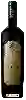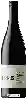
Château du DonjonCuvée Tradition Minervois
 Red wine
This wine generally goes well with beef, veal or pasta.
Food and wine pairings with Cuvée Tradition Minervois
Pairings that work perfectly with Cuvée Tradition Minervois



Original food and wine pairings with Cuvée Tradition Minervois
The Cuvée Tradition Minervois of Château du Donjon matches generally quite well with dishes of beef, pasta or veal such as recipes of chili con carne, pasta with goat cheese, thyme and bacon or sauté of veal with the moulinex cookeo.
Details and technical informations about Château du Donjon's Cuvée Tradition Minervois.
Discover the grape variety: Merlot khantus
An interspecific cross between Merlot noir and Kozma 20-3 (also the same parents of Merlot khorus) obtained in 2002 by Simone Diego Castellarin and Guido Cipriani at the Institute of Applied Genomics in Udine, Italy. Merlot khantus is particularly resistant to mildew and tolerant to powdery mildew. Known in Italy ... almost unknown in France and not registered in the Official Catalogue of wine grape varieties.
Informations about the Château du Donjon
The Château du Donjon is one of of the world's great estates. It offers 19 wines for sale in the of Minervois to come and discover on site or to buy online.

The wine region of Minervois
Minervois is an appellation for distinctive red wines from the western Languedoc region of France. In general, they are softer than those produced in the Corbières, just to the South. The Minervois appellation also covers rosé and white wines. The predominant Grape varieties used in AOC Minervois wines are Grenache, Syrah and Mourvèdre.
The wine region of Languedoc-Roussillon
Languedoc (formerly Coteaux du Languedoc) is a key appellation used in the Languedoc-Roussillon wine region of southern France. It covers Dry table wines of all three colors (red, white and rosé) from the entire region, but leaves Sweet and Sparkling wines to other more specialized appellations. About 75% of all Languedoc wines are red, with the remaining 25% split roughly down the middle between whites and rosés. The appellation covers most of the Languedoc region and almost a third of all the vineyards in France.
The word of the wine: Yeast
Micro-organisms at the base of all fermentative processes. A wide variety of yeasts live and thrive naturally in the vineyard, provided that treatments do not destroy them. Unfortunately, their replacement by laboratory-selected yeasts is often the order of the day and contributes to the standardization of the wine. Yeasts are indeed involved in the development of certain aromas.