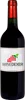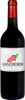
Winery Don PedronesPethiox Crianza Mencia
 wine
wine
This wine generally goes well with
The Pethiox Crianza Mencia of the Winery Don Pedrones is in the top 0 of wines of Bierzo.

Details and technical informations about Winery Don Pedrones's Pethiox Crianza Mencia.
Discover the grape variety: Tchilar
Simple, fresh dry whites with a pale golden robe, a supple palate with moderate acidity, and undemonstrative aromas of citrus and white flowers. Discreet Caucasian profile. Preserved in a few ampelographic collections for its heritage value, it is an ancient Caucasian variety whose commercial distribution has virtually disappeared, studied for its genetic interest. Rare white variety of Caucasian origin, grown in confidential quantities.
Informations about the Winery Don Pedrones
The Winery Don Pedrones is one of of the world's greatest estates. It offers 6 wines for sale in the of Bierzo to come and discover on site or to buy online.

The wine region of Bierzo
DO of Castile and Leon in a northwestern basin at the gates of Galicia, mild Atlantic climate. Signature Mencia (62%): elegant, fresh reds with signature notes of raspberry, cherry, violet, graphite and a slatey mineral touch, fine tannins and chiselled acidity — Atlantic finesse sometimes compared to Pinot Noir. Old bush vines on slate and schist. Opulent Godello whites (pear, citrus, butter), Dona Blanca.
The wine region of Castille-et-Léon
Cradle of great Castilian reds on high-altitude plateaus (450-1000 m) of the Duero. Tempranillo king (Tinto Fino, Tinta de Toro): powerful, structured reds with notes of black cherry, blackberry, plum, leather and spices, firm tannins and length worthy of long ageing. Stars: Ribera del Duero (Vega Sicilia, Pingus), fleshy Toro, Bierzo (fresh mineral Mencía). Lively herbaceous Verdejo whites from Rueda, cut grass and citrus.
The word of the wine: Bâtonnage
A very old technique that has come back into fashion in modern oenology, which consists of shaking the white wine in the barrels at the end of fermentation, or after fermentation, with a stick or a flail, in order to suspend the fine lees composed of yeasts at the end of their activity. This process is sometimes used for red wines.