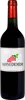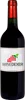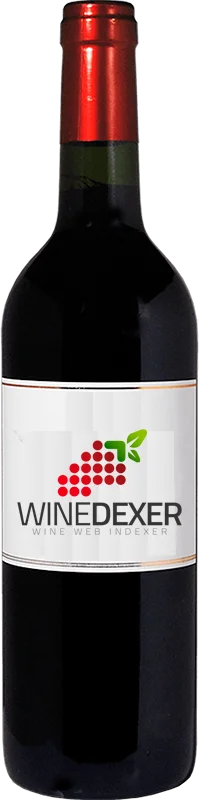
Winery Dominique HardyRubis de la Sanguèze Mouzillon Tillières
 Red wine
This wine generally goes well with

Details and technical informations about Winery Dominique Hardy's Rubis de la Sanguèze Mouzillon Tillières.
Discover the grape variety: Regent
Richly coloured and structured reds with a deep purple colour and supple tannins, on aromas of blackcurrant, blackberry, plum, spices and discreet herbal notes. Round palate, fruity finish. A disease-resistant hybrid (downy and powdery mildew), it produces modern organic reds in Germany (Rheinhessen, Palatinate), Switzerland, Belgium and the Netherlands. Created in 1967 at Geilweilerhof by Gerhardt Alleweldt.
Informations about the Winery Dominique Hardy
The Winery Dominique Hardy is one of of the world's greatest estates. It offers 12 wines for sale in the of Pays Nantais to come and discover on site or to buy online.

The wine region of Pays Nantais
Atlantic outlet of the Loire around Nantes, kingdom of Muscadet. Melon de Bourgogne signature in white: dry and iodised with signature notes of citrus, green apple, white flowers, fresh herbs and a saline mineral touch, taut and refreshing palate — the ideal companion for oysters and seafood. 'Sur lie' mention adds light spritz and brioche complexity. Lively Gros Plant and trenchant Folle Blanche.
The wine region of Loire Valley
Kingdom of lively, dry whites and fine sparklers. Mineral, taut Sauvignon Blanc (Sancerre, Pouilly-Fumé) with citrus and gunflint notes. Multiform Chenin Blanc (Vouvray, Savennières, Layon): straight dry, floral off-dry or noble sweet honey-quince. Saline, iodised Muscadet (Melon B.
The word of the wine: Doucillon
See bourboulenc.