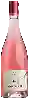
Winery DominikusLaetitia Rosé
 Pink wine


This wine generally goes well with

Details and technical informations about Winery Dominikus's Laetitia Rosé.
Discover the grape variety: Mayorquin
Lively, aromatic whites with a pale golden robe, an airy palate with preserved acidity, and signature aromas of white flowers, citrus (lemon, grapefruit) and fresh Mediterranean notes. A discreet, characteristic Provençal profile. Preserved for its heritage value, it survives in a few Provençal heritage plots and is among the ancient grape varieties of south-eastern France that are studied. An indigenous French white from Provence, grown in negligible quantities.
Last vintages of this wine
The best vintages of Laetitia Rosé from Winery Dominikus are 2018, 0
Informations about the Winery Dominikus
The Winery Dominikus is one of of the world's greatest estates. It offers 9 wines for sale in the of Südtirol - Alto Adige to come and discover on site or to buy online.

The wine region of Südtirol - Alto Adige
Star of Italy's great Alpine whites: precise Pinot Grigio with notes of pear and almond, exuberant Gewürztraminer (rose, lychee, spices), straight Pinot Blanc, lively citrus Sauvignon and taut Chardonnay. Identity native reds: deep Lagrein with black fruits, violet and firm tannins, light crunchy Schiava (Vernatsch) with notes of cherry and almond. High-altitude vineyard (200-1000 m) on bilingual Alpine slopes, 65% white. Glacial terroir, sun and night-time freshness.
The wine region of Trentino-Alto-Adige
Italy's northernmost alpine vineyard, two identities. Aromatic, precise whites are the stars: signature opulent Gewurztraminer (lychee, rose, spice), ample Pinot Grigio, mineral Pinot Bianco, lively high-altitude Muller-Thurgau. Native reds: dense fruity Teroldego (blackberry, violet), deep Lagrein with plum and chocolate notes, light crunchy Schiava, spicy Marzemino. Trento DOC Metodo Classico sparklers.
The word of the wine: Hygrometry
Humidity level of the cellar necessary for a good ageing of the wines. The recommended hygrometry is around 70% in order to guarantee a good elasticity of the corks while preserving the labels.