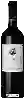
Winery DominguezBlanco de Uva Tinta
 White wine



This wine generally goes well with

Details and technical informations about Winery Dominguez's Blanco de Uva Tinta.
Discover the grape variety: Ekigaïna
Deeply coloured and structured reds with a deep ruby robe, firm to powerful tannins and a dense palate, with signature aromas of black fruits (blackberry, blackcurrant), plum, spices and balsamic notes. Fine ageing potential as a tannic red. Grown mainly in the South-West for IGPs, it offers excellent potential for red wines with ageing ability. French black grape obtained in 1956 by crossing Tannat × Cabernet Sauvignon, like Arinarnoa.
Last vintages of this wine
The best vintages of Blanco de Uva Tinta from Winery Dominguez are 2013, 0, 2012
Informations about the Winery Dominguez
The Winery Dominguez is one of of the world's greatest estates. It offers 12 wines for sale in the of Tacoronte-Acentejo to come and discover on site or to buy online.

The wine region of Tacoronte-Acentejo
First DO of the Canary Islands (1992), north-east Tenerife, terraces on basaltic volcanic soils (100-1,000 m), pre-phylloxera ungrafted vines sometimes over a century old. Listan Negro signature indigenous red: fruity and spiced with notes of cherry, blackberry, raspberry, volcanic herbs, pepper and a smoky mineral touch, fine tannins and freshness — 100% island identity. Supple Negramoll complement. Listan Blanco, Moscatel and Malvasia in aromatic whites.
The wine region of Iles Canaries
Spanish vineyard archipelago spared by phylloxera, ~50 grape varieties of which 20 unique worldwide. Black volcanic soils and sub-tropical oceanic climate. Listán Negro in light, spicy red with signature notes of red cherry, wild strawberry, smoke, pepper and a volcanic mineral touch, fine tannins — an atypical style. Supple Negramoll, fresh Listán Blanco (citrus, flowers), aromatic Malvasía (candied orange, honey) historically famous.
The word of the wine: Cinsault
Cinsault is a southern black grape variety that can be found in the blends of most Mediterranean appellations, but most often as an accessory grape variety. It is undoubtedly most present in certain rosé wines (in Corbières, Côtes-de-Provence, etc.): it gives these wines highly appreciated aromas of strawberry, peach and raspberry. In vin de pays (IGP), it is often vinified on its own, usually as a rosé.