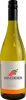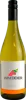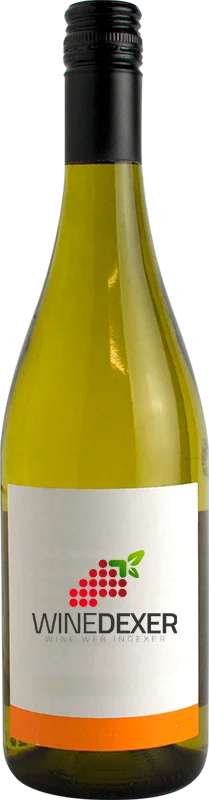
Domaine SaurignySau
 White wine


This wine generally goes well with vegetarian, rich fish (salmon, tuna etc) or shellfish.

Food and wine pairings with Sau
Pairings that work perfectly with Sau



Original food and wine pairings with Sau
The Sau of Domaine Saurigny matches generally quite well with dishes of rich fish (salmon, tuna etc), shellfish or vegetarian such as recipes of skate wing with shallots, seafood pie or tuna, pepper and tomato quiche.
Details and technical informations about Domaine Saurigny's Sau.
Discover the grape variety: Gouget
Simple, fruity reds with a pale colour, a light ruby robe, silky tannins and an airy palate with moderate acidity. Understated aromas of red fruits. Discrete rustic profile. Nearly gone from commercial cultivation, preserved in INRAE varietal collections for its heritage value; it reflects pre-phylloxera ampelographic diversity. A rare French black grape, once grown in the centre and south-west.
Last vintages of this wine

The best vintages of Sau from Domaine Saurigny are 2013, 2015
Informations about the Domaine Saurigny
The Domaine Saurigny is one of of the world's greatest estates. It offers 21 wines for sale in the of Vin de France to come and discover on site or to buy online.

The wine region of Vin de France
The freest category of French wine, the playground of winemakers working outside the AOC. All styles combined: fruity reds, lively or ambitious whites, everyday rosés, unusual blends, natural wines, atypical grapes (Petit Manseng in Languedoc, Riesling in Provence), experimental winemaking (skin-contact whites, no sulphur). Grape and vintage labelling allowed, no geographic constraint. From the pop, convivial cuvée to the artisan gem: freedom in a bottle.
The word of the wine: Decanting
A sommelier uses a decanter to separate the clear wine from the solid parts in a bottle.