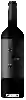
Winery Lote 18Red
 Red wine


This wine generally goes well with
Details and technical informations about Winery Lote 18's Red.
Discover the grape variety: Charmont
Intraspecific crossing between Chasselas and Chardonnay, obtained in 1965 by Jean-Louis Simon and selected by André Jacquinet at the Agroscope Changins-Wädenswil research station (Switzerland). This grape variety is known and cultivated in Switzerland, but it can also be found in Hungary, Germany, Italy, etc., and is virtually unknown in France. With the same parents, Jean-Louis Simon also obtained the doral.
Last vintages of this wine
The best vintages of Red from Winery Lote 18 are 2013, 0
Informations about the Winery Lote 18
The Winery Lote 18 is one of of the world's greatest estates. It offers 7 wines for sale in the of Uco Valley to come and discover on site or to buy online.

The wine region of Uco Valley
The Uco Valley (Valle de Uco) is a key winegrowing region of Mendoza, Argentina. An hour's drive South from the city of Mendoza, it is home to some of the region's most famous wines. Argentina's primary Grape variety of Malbec shines here, producing terroir-driven red wines with a distinctive Floral">floralAroma. Cabernet Franc is much less widely planted, but some great results have been achieved.
The wine region of Mendoza
Mendoza is by far the largest wine region in Argentina. Located on a high-altitude plateau at the edge of the Andes Mountains, the province is responsible for roughly 70 percent of the country's annual wine production. The French Grape variety Malbec has its New World home in the vineyards of Mendoza, producing red wines of great concentration and intensity. The province Lies on the western edge of Argentina, across the Andes Mountains from Chile.
The word of the wine: Anthocyanins
Phenolic compounds present in the skin of grapes that give colour to red wines during maceration.