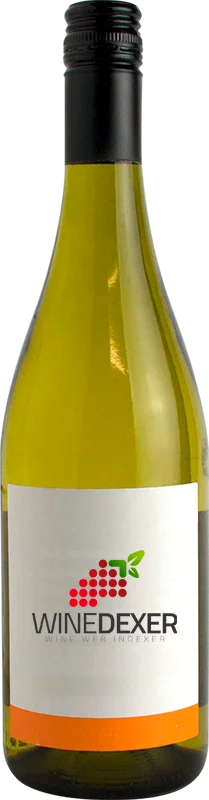
Domaine LéonisUnisson Beaujolais Villages Blanc
 White wine
This wine generally goes well with
Details and technical informations about Domaine Léonis's Unisson Beaujolais Villages Blanc.
Discover the grape variety: Xinomavro
A very old grape variety grown in Greece and very well known in Central Macedonia. It is most certainly a descendant of white gouais and should not be confused with mavrud or mavroudi. It should be noted that many grape varieties have the synonym mavro. Xinomavro is registered in the Official Catalogue of wine grape varieties, list A1.
Informations about the Domaine Léonis
The Domaine Léonis is one of of the world's greatest estates. It offers 9 wines for sale in the of Beaujolais-Villages to come and discover on site or to buy online.

The wine region of Beaujolais-Villages
Beaujolais Villages is the appellation for red, white and rosé wines from an area of 38 villages in the northern Beaujolais. The hilly terrain and granitic soil are considered superior to the flatter land of southern Beaujolais. As a result, Beaujolais Villages wines are considered to be of higher quality than those of the simple Beaujolais appellation. These juicy, light wines are based largely on the Gamay Grape.
The wine region of Beaujolais
Beaujolais is an important wine region in eastern France, famous for its vibrant, Fruity red wines made from Gamay. It is located immediately South of Burgundy, of which it is sometimes considered a Part, although it is in the administrative region of Rhône. The extensive plantings of Gamay in this region make Beaujolais one of the few regions in the world that is so concentrated on a single Grape variety. Pinot Noir is used in small quantities in red and rosé wines, but in the name of regional identity, it is being phased out and will only be allowed until the 2015 harvest.
The word of the wine: Effervescent
Any wine loaded with CO2 (carbon dioxide), which is revealed in the form of bubbles, reinforcing the freshness effect in the mouth. This gas production is the result of what is called the second fermentation in the bottle. It occurs in champagnes and sparkling wines such as crémants.