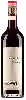
Domaine HirschJulienas
 Red wine



In the mouth this red wine is a with a nice freshness.
This wine generally goes well with pork, poultry or veal.
The Julienas of the Domaine Hirsch is in the top 10 of wines of Chénas.
Taste structure of the Julienas from the Domaine Hirsch
Light | Bold | |
Smooth | Tannic | |
Dry | Sweet | |
Soft | Acidic |
In the mouth the Julienas of Domaine Hirsch in the region of Beaujolais is a with a nice freshness.


Food and wine pairings with Julienas
Pairings that work perfectly with Julienas



Original food and wine pairings with Julienas

The Julienas of Domaine Hirsch matches generally quite well with dishes of pasta, veal or pork such as recipes of tagliatelle with spinach cream, puchero or meatloaf with lovage (perpetual celery).
Details and technical informations about Domaine Hirsch's Julienas.
Discover the grape variety: Pardotte
An old Bordeaux grape variety, now in danger of extinction, once cultivated in the Gironde marshes, but registered in the Official Catalogue of Wine Grape Varieties, list A1.
Informations about the Domaine Hirsch
The Domaine Hirsch is one of of the world's greatest estates. It offers 9 wines for sale in the of Chénas to come and discover on site or to buy online.

The wine region of Chénas
Chénas is a small appellation of red wines produced in an area of northern Beaujolais that is one of the ten crus of Beaujolais. It takes its name from the oak forests that once dotted the surrounding hillsides, an area that is now home to a sea of Gamay vines. Chénas wines are among the heaviest in the Beaujolais, and are known for their Floral">floral and earthyCharacter and their ability to age. Chénas is, along with Moulin-a-Vent, one of the most renowned crus of the Beaujolais, and the best examples can be kept for up to ten years.
The wine region of Beaujolais
Beaujolais is an important wine region in eastern France, famous for its vibrant, Fruity red wines made from Gamay. It is located immediately South of Burgundy, of which it is sometimes considered a Part, although it is in the administrative region of Rhône. The extensive plantings of Gamay in this region make Beaujolais one of the few regions in the world that is so concentrated on a single Grape variety. Pinot Noir is used in small quantities in red and rosé wines, but in the name of regional identity, it is being phased out and will only be allowed until the 2015 harvest.
The word of the wine: Champagne rosé
Often obtained by adding red wines (from Champagne), it is even the only vineyard where this practice is allowed. Some producers prefer the practice used in other regions, i.e. a short maceration to extract sufficient colouring matter. This results in winey rosés for meals. Elegant aperitif rosé is more often made from red wine coloured Chardonnay. Rosés can be vintage or non vintage.