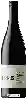
Domaine du RocÉlevé en Fûts de Chène Neuf Minervois
 Red wine
This wine generally goes well with beef, veal or pasta.
Food and wine pairings with Élevé en Fûts de Chène Neuf Minervois
Pairings that work perfectly with Élevé en Fûts de Chène Neuf Minervois



Original food and wine pairings with Élevé en Fûts de Chène Neuf Minervois
The Élevé en Fûts de Chène Neuf Minervois of Domaine du Roc matches generally quite well with dishes of beef, pasta or veal such as recipes of bernard's potée, one pot pasta with creamy chicken farfalle or chicken with rice for cookeo robot.
Details and technical informations about Domaine du Roc's Élevé en Fûts de Chène Neuf Minervois.
Discover the grape variety: Queen
Intraspecific crossing obtained in 1954 in the United States by Professor Harold P. Olmo of the University of Davis (California) by crossing the Hamburg Muscat with the Sultana.
Informations about the Domaine du Roc
The Domaine du Roc is one of of the world's greatest estates. It offers 9 wines for sale in the of Minervois to come and discover on site or to buy online.

The wine region of Minervois
Minervois is an appellation for distinctive red wines from the western Languedoc region of France. In general, they are softer than those produced in the Corbières, just to the South. The Minervois appellation also covers rosé and white wines. The predominant Grape varieties used in AOC Minervois wines are Grenache, Syrah and Mourvèdre.
The wine region of Languedoc-Roussillon
Languedoc (formerly Coteaux du Languedoc) is a key appellation used in the Languedoc-Roussillon wine region of southern France. It covers Dry table wines of all three colors (red, white and rosé) from the entire region, but leaves Sweet and Sparkling wines to other more specialized appellations. About 75% of all Languedoc wines are red, with the remaining 25% split roughly down the middle between whites and rosés. The appellation covers most of the Languedoc region and almost a third of all the vineyards in France.
The word of the wine: Dense
Rich and concentrated wine with tight tannins and a consistent body.