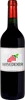
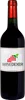
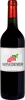
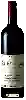
Domaine des Grandes VignesBeaujolais-Villages Rouge
 Red wine
This wine generally goes well with pork, poultry or veal.

Food and wine pairings with Beaujolais-Villages Rouge
Pairings that work perfectly with Beaujolais-Villages Rouge



Original food and wine pairings with Beaujolais-Villages Rouge

The Beaujolais-Villages Rouge of Domaine des Grandes Vignes matches generally quite well with dishes of pasta, veal or pork such as recipes of pasta with goat cheese, thyme and bacon, pork chops with veal stock sauce or melt-in-the-mouth pork tenderloin casserole.
Details and technical informations about Domaine des Grandes Vignes's Beaujolais-Villages Rouge.
Discover the grape variety: Samsó
Structured, intensely coloured reds with a deep ruby colour, firm tannins and dense, alcoholic palate, showing signature aromas of red and black fruits (cherry, blackberry), liquorice, spices, Mediterranean garrigue and balsamic notes. Good ageing potential. A component of the great modern Catalan reds from DO Empordà, Penedès, Priorat and Montsant. Catalan synonym for carignan (sometimes cinsault depending on the region), a historic Mediterranean black variety.
Informations about the Domaine des Grandes Vignes
The Domaine des Grandes Vignes is one of of the world's great estates. It offers 17 wines for sale in the of Beaujolais-Villages to come and discover on site or to buy online.

The wine region of Beaujolais-Villages
Quality, gourmet Beaujolais of Gamay. Fruity, crunchy reds with signature notes of cherry, raspberry, crushed strawberry and flowers (peony, violet), supple tannins and a thirst-quenching palate. Intermediate quality between generic Beaujolais and the 10 Crus, across 38 communes of the vineyard's northern hillsides. A few minority rosés and Chardonnay whites.
The wine region of Beaujolais
Kingdom of Gamay (98% of the vineyard): fruity, accessible reds with signature notes of cherry, raspberry, banana (carbonic maceration), violet and sweet spices, supple tannins and juicy acidity. From festive Beaujolais Nouveau (3rd Thursday of November) to the 10 more structured, age-worthy Crus: deep earthy Morgon, sturdy Moulin-à-Vent, floral Fleurie, crunchy Brouilly. Some lively Chardonnay. 12,000 ha south of Burgundy, granitic soils.
The word of the wine: Chaptalization
The addition of sugar at the time of fermentation of the must, an ancient practice, but theorized by Jean-Antoine Chaptal at the dawn of the 19th century. The sugar is transformed into alcohol and allows the natural degree of the wine to be raised in a weak or cold year, or - more questionably - when the winegrower has a harvest that is too large to obtain good maturity.