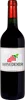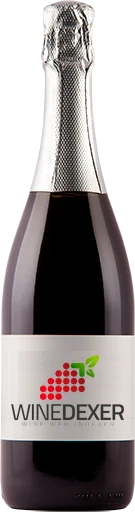
Domaine des GaluchesTouraine Rosé
 Sparkling wine
This wine generally goes well with
Details and technical informations about Domaine des Galuches's Touraine Rosé.
Discover the grape variety: Ugni blanc et rose
Italian origin most certainly, more precisely from Tuscany. It is registered in the Official Catalogue of wine grape varieties list A1. Published genetic analysis has revealed that it is related to the vermentino and for more details click here!
Informations about the Domaine des Galuches
The Domaine des Galuches is one of wineries to follow in Touraine.. It offers 8 wines for sale in the of Touraine to come and discover on site or to buy online.

The wine region of Touraine
The wine region of Touraine is located in the region of Centre Loire of Loire Valley of France. Wineries and vineyards like the Domaine Famille Bougrier or the Domaine Joel Delaunay produce mainly wines white, red and sparkling. The most planted grape varieties in the region of Touraine are Cabernet franc, Gamay noir and Chenin blanc, they are then used in wines in blends or as a single variety. On the nose of Touraine often reveals types of flavors of grapefruit, tar or kiwi and sometimes also flavors of lime zest, lychee or asparagus.
The wine region of Loire Valley
The Loire Valley is a key wine region in western France. It follows the course of the Loire River on its Long journey through the heart of France, from the inland hills of the Auvergne to the plains of the French Atlantic coast near Nantes (Muscadet country). Important in terms of quantity and quality, the region produces large quantities (about 4 million h/l each year) of everyday wines, as well as some of France's greatest wines. Diversity is another of the region's major assets; the styles of wine produced here range from the light, tangy Muscadet to the Sweet, honeyed Bonnezeaux, the Sparkling whites of Vouvray and the juicy, Tannic reds of Chinon and Saumur.
The word of the wine: Disgorging (champagne)
This is the evacuation of the deposit formed by the yeasts during the second fermentation in the bottle, by opening the bottle. The missing volume is completed with the liqueur de dosage - a mixture of wine and cane sugar - before the final cork is placed. For some years now, some producers have been replacing this sugar with rectified concentrated musts (concentrated grape juice) which give excellent results. A too recent dosage (less than three months) harms the gustatory harmony of the champagne.