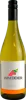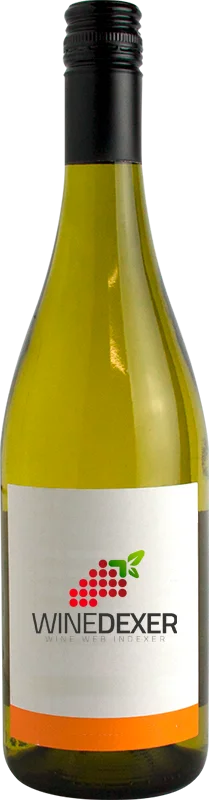
Domaine de PécoulasClair de Brujas
 White wine


This wine generally goes well with

Details and technical informations about Domaine de Pécoulas's Clair de Brujas.
Discover the grape variety: Clairette
Vibrant and fresh rosés and clairets with a pale robe and tender mouth, featuring aromas of white flowers, citrus, fennel and delicate anise notes. Moderate acidity, light finish. A pink-skinned mutation of clairette blanche, occasionally blended into Provençal and Languedoc rosés. Clairette blanche signs Clairette de Die, Clairette du Languedoc AOC and enters Châteauneuf-du-Pape whites. Native southern French grape.
Last vintages of this wine
The best vintages of Clair de Brujas from Domaine de Pécoulas are 0
Informations about the Domaine de Pécoulas
The Domaine de Pécoulas is one of of the world's great estates. It offers 15 wines for sale in the of Ardèche to come and discover on site or to buy online.

The wine region of Ardèche
Vast Rhône IGP with contrasting southern-Rhône terroirs: signature Syrah as king red — fruity and spicy with notes of blackberry, blackcurrant, raspberry, violet and a peppery touch, supple tannins. Round Merlot, structured Cabernet and sunny Grenache as backup. Signature Chardonnay and Viognier as aromatic whites (peach, apricot, white flowers, citrus). Fresh rosés.
The wine region of Méditerranée
Vast IGP of south-east France (Provence, Vaucluse, Var, Corsica, Ardèche), 75% rosés. Fresh, fruity rosés with signature notes of strawberry, raspberry, citrus, white flowers and a Mediterranean touch, taut and thirst-quenching on the palate — the quintessential sunny aperitif. Supple reds blending Grenache, Syrah, Cabernet and Merlot (red fruits, garrigue, spice), full whites of Viognier (apricot, flowers) and Chardonnay. Generous everyday wines, expression of the south.
The word of the wine: Champagne rosé
Often obtained by adding red wines (from Champagne), it is even the only vineyard where this practice is allowed. Some producers prefer the practice used in other regions, i.e. a short maceration to extract sufficient colouring matter. This results in winey rosés for meals. Elegant aperitif rosé is more often made from red wine coloured Chardonnay. Rosés can be vintage or non vintage.