Domaine de LafageL'Excuse
 Red wine



This wine generally goes well with
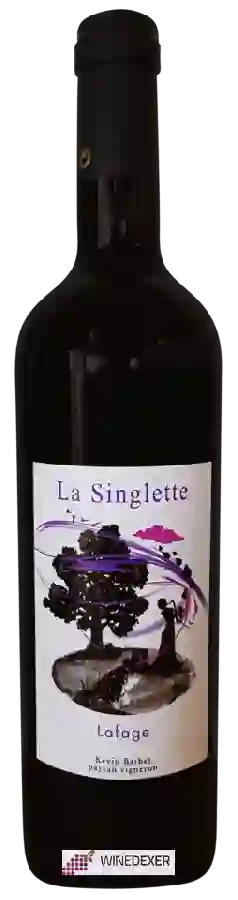
The L'Excuse of the Domaine de Lafage is in the top 10 of wines of Coteaux du Quercy.

Details and technical informations about Domaine de Lafage's L'Excuse.
Discover the grape variety: Côt
Powerful, structured reds with an almost black inky robe, firm tannins and preserved acidity, with intense aromas of blackberry, plum, blackcurrant, violet, cocoa, spice and balsamic notes. Fine ageing potential. Absolute star of Cahors AOC on the Lot terraces, where it is called Auxerrois (minimum 70% in blends), and a global conqueror as Malbec in Argentina (Mendoza). Also found in Touraine (Côt de Loire) and the South-West. Autochthonous French variety from Quercy.
Last vintages of this wine
The best vintages of L'Excuse from Domaine de Lafage are 2016, 2018
Informations about the Domaine de Lafage
The Domaine de Lafage is one of of the world's greatest estates. It offers 10 wines for sale in the of Coteaux du Quercy to come and discover on site or to buy online.

The wine region of Coteaux du Quercy
Southwest AOP between Cahors and Montauban (Lot, Tarn-et-Garonne, argilo-calcareous causses, double Atlantic and Mediterranean influence): Cabernet Franc as the signature red king (40–60%), complemented by Côt, Merlot, Tannat and sometimes Gamay — profile of red fruits (raspberry, blackberry, blackcurrant) lifted by floral and peppery notes, fleshy palate with a supple attack, round and structured tannins, fruity and generous expression typical of the limestone plateaux.
The wine region of South West
French mosaic of strong identities south of Bordeaux. Cahors and its Malbec ("black wine"): deep reds with notes of blackberry, plum, violet, tobacco and cocoa, firm tannins. Madiran and its dense, age-worthy Tannat. Jurançon whites: golden sweet (apricot, honey, pineapple) and lively dry from Petit Manseng.
The word of the wine: Alcoholic fermentation
Transformation of sugars into alcohol under the effect of yeast. These yeasts exist in their natural state in the vineyards and in the cellars. Artificial seeding with selected yeasts is however very often practiced.