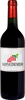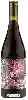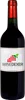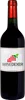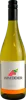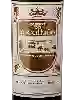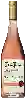
Domaine de la GapetteVin de France Rosé
 wine
wine
This wine generally goes well with
The Vin de France Rosé of the Domaine de la Gapette is in the top 0 of wines of Vin de France.
Details and technical informations about Domaine de la Gapette's Vin de France Rosé.
Discover the grape variety: Onchette
A very old grape variety that was once grown on the left bank of the Drac Valley in the south of the Isère department - Cordéac, Saint Jean d'Hérans, Saint Baudille et Pipet, ... -. Virtually unknown in other French wine-growing regions, it is very little propagated today, although it is registered in the Official Catalogue of wine grape varieties, list A1. According to Thierry Lacombe (I.N.R.A./Montpellier), it is the result of a natural intraspecific cross between the white gouais and the chatus, as is also the serenèze of Voreppe.
Informations about the Domaine de la Gapette
The Domaine de la Gapette is one of of the world's greatest estates. It offers 6 wines for sale in the of Vin de France to come and discover on site or to buy online.

The wine region of Vin de France
Vin de France is the most basic level of quality for wines from France. These are generally uncomplicated everyday drinks - most often blends, but perhaps also Varietal wines based on a well-known Grape variety such as Cabernet Sauvignon, Merlot, Chardonnay or Sauvignon Blanc. Wines from France are those that do not meet the criteria stipulated by the Protected Designation of Origin (PDO) or Protected Geographical Indication (PGI) laws (see information on French wine labels). This may be because the vineyards are outside the delimited production areas or because the grape varieties or winemaking techniques used do not conform to the rules of the local appellations.
The word of the wine: Maceration
Prolonged contact and exchange between the juice and the grape solids, especially the skin. Not to be confused with the time of fermentation, which follows maceration. The juice becomes loaded with colouring matter and tannins, and acquires aromas. For a rosé, the maceration is short so that the colour does not "rise" too much. For white wines too, a "pellicular maceration" can be practised, which allows the wine to acquire more fat.