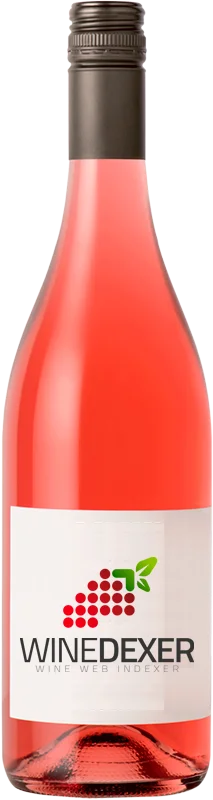
Domaine de GarancilleLe Quart d'Heure Charentais Le Rosé
 Pink wine


This wine generally goes well with
Details and technical informations about Domaine de Garancille's Le Quart d'Heure Charentais Le Rosé.
Discover the grape variety: Len de l’El
Len de l'El Blanc is a grape variety that originated in France (Tarn). It produces a variety of grape specially used for wine making. It is rare to find this grape to eat on our tables. This variety of grape is characterized by large bunches of grapes of medium size. The Len de l'El Blanc can be found grown in these vineyards: South West, Cognac, Bordeaux, Armagnac, Rhone Valley, Provence & Corsica.
Informations about the Domaine de Garancille
The Domaine de Garancille is one of of the world's greatest estates. It offers 10 wines for sale in the of Charentais to come and discover on site or to buy online.

The wine region of Charentais
The wine region of Charentais is located in the region of Atlantique of Vin de Pays of France. Wineries and vineyards like the Domaine de Garancille or the Domaine de Garancille produce mainly wines red, white and pink. The most planted grape varieties in the region of Charentais are Merlot, Cabernet-Sauvignon and Chardonnay, they are then used in wines in blends or as a single variety. On the nose of Charentais often reveals types of flavors of black fruits, green apple or butter and sometimes also flavors of floral, fresh cut grass or gooseberry.
The wine region of Atlantique
The regional name of Vin de pays de l'Atlantique exists since 2006. For red, rosé and white wines, it brings together 76 producer and Cellar members in Gironde, Dordogne and other departments of Poitou and Aquitaine, for a production of 39. 500 hectolitres of wine, 62% of which is red wine. This denomination is a complement of range of the AOC of Bordeaux.
The word of the wine: Reassembly
During the vinification process, a "cap" is formed at the top of the vats with the solid parts (skin, pulp, pips, etc.), which contain tannins and colouring elements. Pumping over consists of emptying the vat from the bottom and pouring the juice back to the top, in order to mix the cap and the juice and to favour the exchange and the extraction. This old technique allows a better exchange between the solid parts and the liquid.