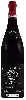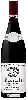
Domaine ChignardLe Cochonnier Fleurie
 wine
wine
This wine generally goes well with
The Le Cochonnier Fleurie of the Domaine Chignard is in the top 0 of wines of Fleurie.

Details and technical informations about Domaine Chignard's Le Cochonnier Fleurie.
Discover the grape variety: Greco Bianco
Structured and aromatic whites with a pale golden to amber robe, a full palate and characteristic bitter finish on yellow fruit (peach, apricot), white flowers and honey aromas. Also produced as passito. Star of the Greco di Tufo DOCG in Campania and the mythical Greco di Bianco DOC in Calabria. Ancient Greek-origin autochthonous variety of southern Italy.
Informations about the Domaine Chignard
The Domaine Chignard is one of of the world's greatest estates. It offers 6 wines for sale in the of Fleurie to come and discover on site or to buy online.

The wine region of Fleurie
Beaujolais cru nicknamed the Queen, on the single commune of Fleurie. Signature Gamay noir: floral, perfumed reds with signature notes of violet, iris, strawberry, raspberry, peony and a peppery touch, silky tannins and an airy palate - the most delicate elegance of the crus. 13 recognised climats including Poncié, La Roilette, La Chapelle des Bois. Granitic soils with sandy gruss and manganese signing the finesse.
The wine region of Beaujolais
Kingdom of Gamay (98% of the vineyard): fruity, accessible reds with signature notes of cherry, raspberry, banana (carbonic maceration), violet and sweet spices, supple tannins and juicy acidity. From festive Beaujolais Nouveau (3rd Thursday of November) to the 10 more structured, age-worthy Crus: deep earthy Morgon, sturdy Moulin-à-Vent, floral Fleurie, crunchy Brouilly. Some lively Chardonnay. 12,000 ha south of Burgundy, granitic soils.
The word of the wine: Jeroboam
Bottle with a capacity of 5 litres.