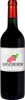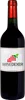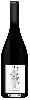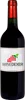
Domaine Castillet LayoleCôtes du Tarn
 Red wine
This wine generally goes well with

Details and technical informations about Domaine Castillet Layole's Côtes du Tarn.
Discover the grape variety: Criolla grande
Light reds with a pale ruby robe, soft tannins, and an airy palate, with simple aromas of red fruits (cherry, strawberry) and floral notes. Accessible, easy-drinking profile. Grown mainly in Mendoza, contributing to Argentine table wines and economical blends. An Argentine black variety descended from grapes brought by Spanish missionaries in the 16th century, vigorous and productive.
Informations about the Domaine Castillet Layole
The Domaine Castillet Layole is one of of the world's greatest estates. It offers 2 wines for sale in the of Côtes du Tarn to come and discover on site or to buy online.

The wine region of Côtes du Tarn
Sud-Ouest IGP north of Toulouse around Gaillac: Gamay signature king red and rosé — signature light and harmonious with fresh crunchy red fruits (cherry, raspberry), Merlot, Cabernet Franc and Syrah in complement. Sauvignon, Muscadelle, Mauzac, Chardonnay signature in dry and lively whites with floral and fruity notes (peach, apricot). IGP (former Vin de Pays 2009), Tarn slopes gravelly and pebbly, oceanic-Mediterranean climate.
The wine region of Comté Tolosan
IGP covering all of southwest France across 12 departments, a broad and accessible palette. On the Garonne right bank, supple reds dominate: signature Merlot with signature notes of plum, ripe cherry, cocoa and a herbaceous touch, round tannins. Firm Cabernet, spicy Syrah, tannic local Tannat. Left bank for whites: vivid Colombard and Gros Manseng (citrus, grapefruit, exotic fruits), aromatic Sauvignon.
The word of the wine: Tastevin
Metal cup, wide and of low height, being used to mirror and taste the wine. Still used in wine brotherhoods for its emblematic and folkloric character, the tastevin has been replaced by the various tasting glasses.