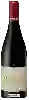
Domaine CastanLou Crès Saint Chinian
 Red wine



In the mouth this red wine is a powerful with a nice balance between acidity and tannins.
This wine generally goes well with beef, veal or pasta.

Taste structure of the Lou Crès Saint Chinian from the Domaine Castan
Light | Bold | |
Smooth | Tannic | |
Dry | Sweet | |
Soft | Acidic |
In the mouth the Lou Crès Saint Chinian of Domaine Castan in the region of Languedoc-Roussillon is a powerful with a nice balance between acidity and tannins.
Food and wine pairings with Lou Crès Saint Chinian
Pairings that work perfectly with Lou Crès Saint Chinian



Original food and wine pairings with Lou Crès Saint Chinian
The Lou Crès Saint Chinian of Domaine Castan matches generally quite well with dishes of beef, pasta or veal such as recipes of dombrés and pig tails, spaghetti with knackis or veal paupiettes with white wine.
Details and technical informations about Domaine Castan's Lou Crès Saint Chinian.
Discover the grape variety: Helfensteiner
Supple, fruity reds with a clear ruby colour, lightly marked tannins and a charming palate, showing signature aromas of cherry, raspberry, gentle spices and floral notes. Early, airy profile to drink young. Today marginal but preserved for its genetic value in Württemberg, famous for giving rise to Dornfelder (with Heroldrebe). German black variety obtained in 1931 at Weinsberg, a cross of Frühburgunder × Trollinger.
Last vintages of this wine
The best vintages of Lou Crès Saint Chinian from Domaine Castan are 2016
Informations about the Domaine Castan
The Domaine Castan is one of of the world's greatest estates. It offers 20 wines for sale in the of Saint-Chinian to come and discover on site or to buy online.

The wine region of Saint-Chinian
Languedoc cru between Beziers and Saint-Pons, signature dual terroir. Fleshy Mediterranean reds with notes of black fruit (blackberry, black cherry), garrigue, pepper, liquorice and spice, firm tannins and a sun-drenched palate. Northern schists: fruitier, smokier profile. Southern clay-limestone: more structured wines.
The wine region of Languedoc-Roussillon
Largest single French vineyard, dominated by sunny, generous reds. Spicy Syrah, candied Grenache (ripe fruit, garrigue), structured Carignan, deep Mourvèdre, supple Cinsault. Stars: structured Corbières, Minervois, Faugères, Saint-Chinian; round Côtes-du-Roussillon. Legendary vins doux naturels: Banyuls and Maury (fortified Grenache) with notes of cocoa, fig, prune.
The word of the wine: Ploussard
See poulsard.