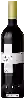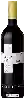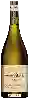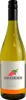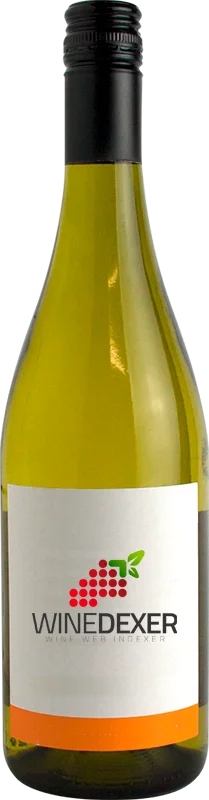
Winery Capítulo 7Pedro Ximénez
 White wine


This wine generally goes well with
Wine flavors and olphactive analysis





On the nose the Pedro Ximénez of Winery Capítulo 7 in the region of Mendoza often reveals types of flavors of earth, microbio or vegetal and sometimes also flavors of oak, tree fruit or citrus fruit.
Details and technical informations about Winery Capítulo 7's Pedro Ximénez.
Discover the grape variety: Albillo mayor
Structured, fat dry whites with a pale golden robe, an ample palate and preserved acidity of refined yellow fruits (pear, peach, apricot), candied citrus, white flowers, fennel and calcareous mineral notes. Fine lees-ageing potential. Emerging star of Ribera del Duero DO whites (officially approved in 2019) on the Castilian high plateaus. Native Spanish grape of the upper Douro valley, descendant of hebén, in full qualitative revival.
Last vintages of this wine
The best vintages of Pedro Ximénez from Winery Capítulo 7 are 2018, 2017, 0
Informations about the Winery Capítulo 7
The Winery Capítulo 7 is one of of the world's greatest estates. It offers 3 wines for sale in the of Mendoza to come and discover on site or to buy online.

The wine region of Mendoza
World capital of Malbec: powerful, deep reds with blackberry, plum, violet and sweet spice, round tannins and vivid fruit. Also firm Cabernet Sauvignon, supple, juicy Bonarda, aromatic floral white Torrontés. High-altitude vineyards (800-1,700 m) at the foot of the Andes, dry continental climate irrigated by glacial waters. ~80% of Argentine output across 150,000 ha.
The word of the wine: Muscat blanc à petits grains
A white grape variety cultivated since antiquity on the shores of the Mediterranean, it is considered the noblest of the muscats. It is mainly used to make sweet wines, often from mutage. In France, it is the sole variety used in many natural sweet wines: muscat-de-frontignan, muscat-de-mireval, muscat-de-lunel, muscat-de-saint-jean-de-minervois, muscat-de-beaumes-de-venise, muscat-du-cap-corse. Combined with Muscat d'Alexandrie, it gives Muscat-de-Rivesaltes. It is also used to make sparkling white wines (clairette-de-die; moscato d'asti and asti spumante in Italy) and dry wines (alsace-muscat). Powerfully aromatic and complex, its wines evoke fresh grapes, roses, exotic fruits, citrus fruits and spices.