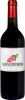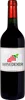
Domaine AugéLes 3 Mômes Coteaux de Béziers Rouge
 wine
wine
This wine generally goes well with
The Les 3 Mômes Coteaux de Béziers Rouge of the Domaine Augé is in the top 0 of wines of Coteaux de Béziers.
Details and technical informations about Domaine Augé's Les 3 Mômes Coteaux de Béziers Rouge.
Discover the grape variety: Taraboussié
An ancient grape variety most likely originating from the Aveyron region, now in danger of extinction. Published genetic analyses have revealed that it is related to one or more grape varieties, including Mouyssaguès. For more details, click here! - Synonymy: tarabassié (for all the synonyms of the grape varieties, click here!).
Informations about the Domaine Augé
The Domaine Augé is one of of the world's greatest estates. It offers 6 wines for sale in the of Coteaux de Béziers to come and discover on site or to buy online.

The wine region of Coteaux de Béziers
The wine region of Coteaux de Béziers is located in the region of Pays d'Oc of Vin de Pays of France. Wineries and vineyards like the Domaine Le Bijou de Sophie Valrose (Bijou Wine) or the Domaine Lionel Dufour produce mainly wines red, white and pink. The most planted grape varieties in the region of Coteaux de Béziers are Merlot, Cabernet-Sauvignon and Chardonnay, they are then used in wines in blends or as a single variety. On the nose of Coteaux de Béziers often reveals types of flavors of red fruit, earth or black fruit and sometimes also flavors of honey, strawberries or grapefruit.
The wine region of Pays d'Oc
Pays d'Oc is the PGI for red, white and rosé wines that are produced over a wide area of the southern coast of France. The PGI catchment area corresponds roughly to the Languedoc-roussillon">Languedoc-Roussillon wine region, one of the largest wine regions in France. The area covers all wines that are not produced under the strict laws that govern AOC-level appellations in the regions: among them, Corbières, Minervois and the Languedoc appellation itself. The Pays d'Oc PGI is arguably the most important in France, producing the majority of the country's PGI wines.
The word of the wine: Dismantling
After devatting, the pomace is removed from the tank. If this operation is carried out manually, it is important to ventilate the vat well to avoid the risk of accidents due to the presence of carbon dioxide.