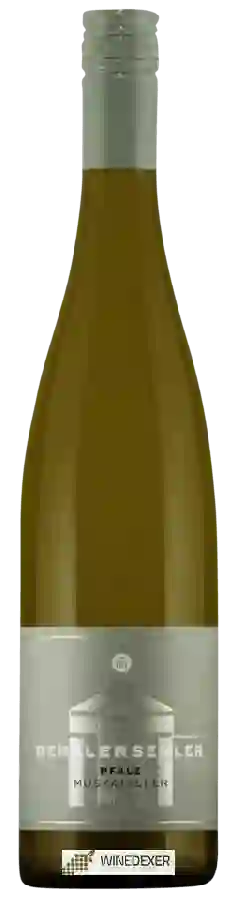
Winery Dengler SeylerMuskateller
 White wine



This wine generally goes well with

Wine flavors and olphactive analysis


On the nose the Muskateller of Winery Dengler Seyler in the region of Pfalz often reveals types of flavors of tree fruit, citrus fruit.
Details and technical informations about Winery Dengler Seyler's Muskateller.
Discover the grape variety: Early Muscat
Aromatic muscat whites in dry, sweet and sparkling styles, pale golden colour, broad and fragrant palate; intense muscat aromas (rose, fresh grape), white flowers (orange blossom), exotic fruits (lychee, mango) and honey. Grown in California, Australia and South Africa for sweet wines, sparkling wines and aromatic early-ripening table grapes. American muscat white grape, early-ripening cross, for fresh consumption and wine.
Last vintages of this wine
The best vintages of Muskateller from Winery Dengler Seyler are 2018, 2017, 0, 2016
Informations about the Winery Dengler Seyler
The Winery Dengler Seyler is one of of the world's greatest estates. It offers 39 wines for sale in the of Pfalz to come and discover on site or to buy online.

The wine region of Pfalz
Fleshy, dry, fruity Riesling is the region's signature: yellow peach, apricot, ripe citrus, lovely mineral tension. Germany's largest red-wine area (40%), with silky Spätburgunder showing red fruit and spice, darker structured Dornfelder, supple Portugieser. Some rounded Pinot Blanc and Pinot Gris. A 23,640 ha vineyard along the Haardt, among Germany's warmest (>2,000 h of sun).
The word of the wine: Tanin
A natural compound contained in the skin of the grape, the seed or the woody part of the bunch, the stalk. The maceration of red wines allows the extraction of tannins, which give the texture, the solidity and also the mellowness when the tannins are "ripe". The winemaker seeks above all to extract the tannins from the skin, the ripest and most noble. The tannins of the seed or stalk, which are "greener", especially in average years, give the wine hardness and astringency. The wines of Bordeaux (based on Cabernet and Merlot) are full of tannins, those of Burgundy much less so, with Pinot Noir containing little.


