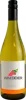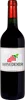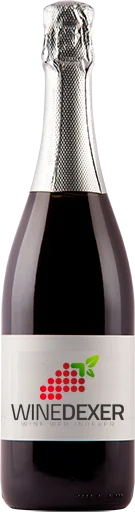
Winery DenbiesClassic Collection Sparkling Bacchus
 Sparkling wine


In the mouth this sparkling wine is a powerful with a nice vivacity and a fine and pleasant bubble.
This wine generally goes well with appetizers and snacks, lean fish or shellfish.
The Classic Collection Sparkling Bacchus of the Winery Denbies is in the top 20 of wines of Surrey.
Taste structure of the Classic Collection Sparkling Bacchus from the Winery Denbies
Light | Bold | |
Soft | Acidic | |
Gentle | Fizzy |
In the mouth the Classic Collection Sparkling Bacchus of Winery Denbies in the region of England is a powerful with a nice vivacity and a fine and pleasant bubble.
Wine flavors and olphactive analysis




On the nose the Classic Collection Sparkling Bacchus of Winery Denbies in the region of England often reveals types of flavors of vegetal, tree fruit or citrus fruit and sometimes also flavors of floral.
Food and wine pairings with Classic Collection Sparkling Bacchus
Pairings that work perfectly with Classic Collection Sparkling Bacchus



Original food and wine pairings with Classic Collection Sparkling Bacchus

The Classic Collection Sparkling Bacchus of Winery Denbies matches generally quite well with dishes of shellfish, appetizers and snacks or lean fish such as recipes of wok of shrimps with vegetables, zakouski: russian appetizer or thai chicken with cashew nuts.
Details and technical informations about Winery Denbies's Classic Collection Sparkling Bacchus.
Discover the grape variety: Lledoner pelut
The Lledoner Pelut noir is a grape variety originating from Spain. It produces a variety of grape specially used for the elaboration of wine. It is rare to find this grape to eat on our tables. This variety of grape is characterized by large to medium sized bunches and medium sized grapes. Lledoner Pelut noir can be found in several vineyards: Languedoc & Roussillon, Provence & Corsica, Rhone Valley, Loire Valley, Savoie & Bugey, Beaujolais, South West.
Last vintages of this wine

The best vintages of Classic Collection Sparkling Bacchus from Winery Denbies are 0, 2016
Informations about the Winery Denbies
The Winery Denbies is one of of the world's great estates. It offers 53 wines for sale in the of Surrey to come and discover on site or to buy online.

The wine region of Surrey
The wine region of Surrey is located in the region of England of United Kingdom. Wineries and vineyards like the Domaine Albury Vineyard or the Domaine Denbies produce mainly wines sparkling, white and pink. The most planted grape varieties in the region of Surrey are Pinot noir, Chardonnay and Pinot gris, they are then used in wines in blends or as a single variety. On the nose of Surrey often reveals types of flavors of citrus, non oak or spices and sometimes also flavors of black fruit, tropical fruit or earth.
The wine region of England
England, although more famous for gin and beer, has been producing wine since Roman Imperial times (100 – 400 AD). Historically the country has not been known for the quality of its winemaking, inhibited by its northerly latitude and resulting cool Climate. However the last decade or so has seen considerable progress and expansion, and increases in planting of noble Grape varieties. Significant chaptilzation to off-set the high Acidity of under-ripe grapes was once common practice but since the 1970s and particularly since the turn of the millennium natural sugar levels have increased in the Vineyard and wines have increased in quality and reputation.
The word of the wine: Extra raw
Champagne dosed between 0 and 6 grams of sugar (see dosage liqueur).