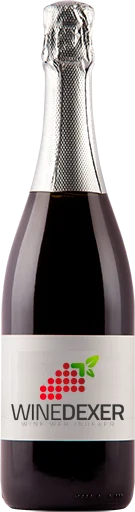
Winery ZillikenCuvée Muschelkalk Extra Brut
 Sparkling wine


This wine generally goes well with
Wine flavors and olphactive analysis

Details and technical informations about Winery Zilliken's Cuvée Muschelkalk Extra Brut.
Discover the grape variety: Maturana blanca
A very old Spanish grape variety, particularly known in the Rioja region. It can be found in Italy, Portugal, Mexico, etc. In France, it is practically unknown. D.N.A. analyses have shown that it is not related to Maturana Tinta de Navarrete.
Last vintages of this wine
The best vintages of Cuvée Muschelkalk Extra Brut from Winery Zilliken are 0
Informations about the Winery Zilliken
The Winery Zilliken is one of of the world's great estates. It offers 29 wines for sale in the of Mosel to come and discover on site or to buy online.

The wine region of Mosel
Mosel is the most famous of Germany's 13 official wine regions, and also the third largest in terms of production. As with many German regions, it is most aasociated with a range of wine styles made from the Riesling grape variety, but Müller-Thurgau is also widely planted. The best Mosel Riesling wines are some of the finest whites in the world. Light and low in Alcohol, they can be intensely fragrant with beguiling Floral">floral and Mineral notes, and a wonderful Balance of sweetness and Acidity.
The word of the wine: Water stress
Lack of water. Water stress blocks the vegetative cycle of the vine, which uses all available resources to maintain the integrity of the plant, thus blocking the ripening process of the grapes.