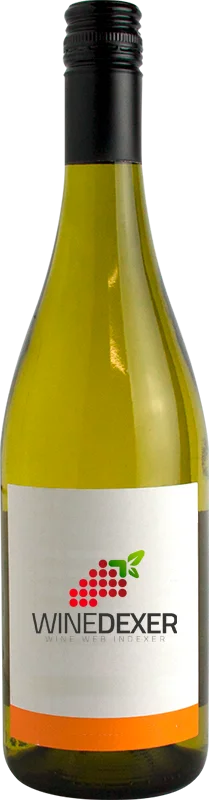
Winery De ViniDivin Poison Blanc
 White wine



This wine generally goes well with

Wine flavors and olphactive analysis


On the nose the Divin Poison Blanc of Winery De Vini in the region of Loire Valley often reveals types of flavors of citrus, tree fruit or citrus fruit.
Details and technical informations about Winery De Vini's Divin Poison Blanc.
Discover the grape variety: Semebat
Light, simple fruity reds with a pale, lightly coloured ruby, soft tannins and an airy palate with moderate acidity, undemonstrative red fruit aromas. Rustic, discreet profile. Almost extinct, preserved in INRAE varietal collections for its heritage value, testament to the pre-phylloxera ampelographic diversity of the South-West and studied among heritage varieties. Rare French black variety, once grown in the South-West.
Last vintages of this wine
The best vintages of Divin Poison Blanc from Winery De Vini are 2018
Informations about the Winery De Vini
The Winery De Vini is one of of the world's greatest estates. It offers 6 wines for sale in the of Pays Nantais to come and discover on site or to buy online.

The wine region of Pays Nantais
Atlantic outlet of the Loire around Nantes, kingdom of Muscadet. Melon de Bourgogne signature in white: dry and iodised with signature notes of citrus, green apple, white flowers, fresh herbs and a saline mineral touch, taut and refreshing palate — the ideal companion for oysters and seafood. 'Sur lie' mention adds light spritz and brioche complexity. Lively Gros Plant and trenchant Folle Blanche.
The wine region of Loire Valley
Kingdom of lively, dry whites and fine sparklers. Mineral, taut Sauvignon Blanc (Sancerre, Pouilly-Fumé) with citrus and gunflint notes. Multiform Chenin Blanc (Vouvray, Savennières, Layon): straight dry, floral off-dry or noble sweet honey-quince. Saline, iodised Muscadet (Melon B.
The word of the wine: Fade
Wine lacking in sapidity, flat, soft and without character.