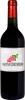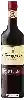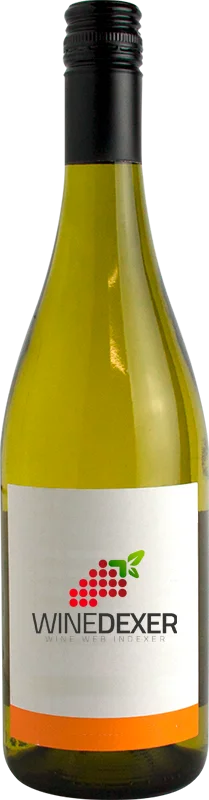
Winery Winzervereinigung Freyburg-UnstrutHöhnstedter Kelterberg Müller Thurgau Trocken
 White wine
In the mouth this white wine is a .
This wine generally goes well with vegetarian, appetizers and snacks or lean fish.

Taste structure of the Höhnstedter Kelterberg Müller Thurgau Trocken from the Winery Winzervereinigung Freyburg-Unstrut
Light | Bold | |
Dry | Sweet | |
Soft | Acidic |
In the mouth the Höhnstedter Kelterberg Müller Thurgau Trocken of Winery Winzervereinigung Freyburg-Unstrut in the region of Saale-Unstrut is a .
Food and wine pairings with Höhnstedter Kelterberg Müller Thurgau Trocken
Pairings that work perfectly with Höhnstedter Kelterberg Müller Thurgau Trocken



Original food and wine pairings with Höhnstedter Kelterberg Müller Thurgau Trocken


The Höhnstedter Kelterberg Müller Thurgau Trocken of Winery Winzervereinigung Freyburg-Unstrut matches generally quite well with dishes of shellfish, spicy food or vegetarian such as recipes of quick crayfish chicken, rougail sausage or zucchini and goat cheese quiche.
Details and technical informations about Winery Winzervereinigung Freyburg-Unstrut's Höhnstedter Kelterberg Müller Thurgau Trocken.
Discover the grape variety: Müller-Thurgau
Light, aromatic whites with a tender palate and moderate acidity, with muscat-like aromas of white flowers, apple, citrus, peach and honeyed notes. Made as easy dry whites, popular semi-dry wines and some sparkling cuvées. Widely planted in Germany (Rheinhessen, Baden), northern Italy (Alto Adige, Trentino), Austria, Switzerland, Hungary and Japan. Cross of riesling × madeleine royale created in 1882 by Hermann Müller in Geisenheim.
Informations about the Winery Winzervereinigung Freyburg-Unstrut
The Winery Winzervereinigung Freyburg-Unstrut is one of of the world's great estates. It offers 99 wines for sale in the of Saale-Unstrut to come and discover on site or to buy online.

The wine region of Saale-Unstrut
Germany's northernmost region (Saxony-Anhalt), ~650 ha. Nordic whites that are dry, lively and mineral with signature notes of green apple, citrus, white flowers, fresh herbs and a crisp finish — a direct, thirst-quenching style. Dominant Muller-Thurgau (~22%) light and floral, Weissburgunder (Pinot Blanc) round and precise, herbaceous Silvaner and taut Riesling. Early grapes suited to the harsh continental climate.
The word of the wine: Disgorging (champagne)
This is the evacuation of the deposit formed by the yeasts during the second fermentation in the bottle, by opening the bottle. The missing volume is completed with the liqueur de dosage - a mixture of wine and cane sugar - before the final cork is placed. For some years now, some producers have been replacing this sugar with rectified concentrated musts (concentrated grape juice) which give excellent results. A too recent dosage (less than three months) harms the gustatory harmony of the champagne.