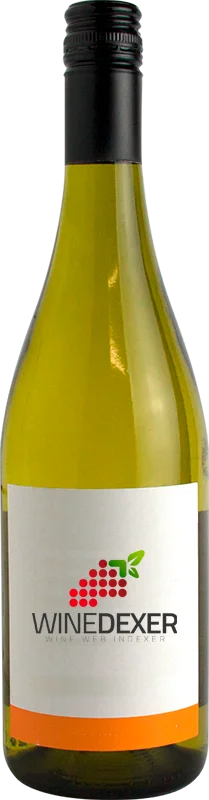
Winery Dame de FonroqueCôtes de Montravel
 White wine
This wine generally goes well with
Details and technical informations about Winery Dame de Fonroque's Côtes de Montravel.
Discover the grape variety: Scarlotta seedless
Intraspecific cross between sun world.seedling 89345-090-144 and sun world seedling 89361-091-364 obtained in California (USA) by Cain David Wayne from Sun World International Inc. Not known in France, we can meet it in England, in Spain, in Chile, ... . It should be of interest to amateur gardeners.
Informations about the Winery Dame de Fonroque
The Winery Dame de Fonroque is one of of the world's greatest estates. It offers 1 wines for sale in the of Côtes de Montravel to come and discover on site or to buy online.

The wine region of Côtes de Montravel
The wine region of Côtes de Montravel is located in the region of Montravel of South West of France. Wineries and vineyards like the Chateau Moulin Caresse or the Chateau Moulin Caresse produce mainly wines white, sweet and other. The most planted grape varieties in the region of Côtes de Montravel are Muscadelle, Cabernet-Sauvignon and Cabernet franc, they are then used in wines in blends or as a single variety. On the nose of Côtes de Montravel often reveals types of flavors of pear, tree fruit.
The wine region of South West
The South-West is a large territorial area of France, comprising the administrative regions of Aquitaine, Limousin and Midi-Pyrénées. However, as far as the French wine area is concerned, the South-West region is a little less clear-cut, as it excludes Bordeaux - a wine region so productive that it is de facto an area in its own right. The wines of the South West have a Long and eventful history. The local rivers play a key role, as they were the main trade routes to bring wines from traditional regions such as Cahors, Bergerac, Buzet and Gaillac to their markets.
The word of the wine: Tanin
A natural compound contained in the skin of the grape, the seed or the woody part of the bunch, the stalk. The maceration of red wines allows the extraction of tannins, which give the texture, the solidity and also the mellowness when the tannins are "ripe". The winemaker seeks above all to extract the tannins from the skin, the ripest and most noble. The tannins of the seed or stalk, which are "greener", especially in average years, give the wine hardness and astringency. The wines of Bordeaux (based on Cabernet and Merlot) are full of tannins, those of Burgundy much less so, with Pinot Noir containing little.