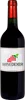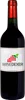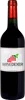
Winery CsanyiTeleki Villanyi Portugieser
 Red wine


This wine generally goes well with
Details and technical informations about Winery Csanyi's Teleki Villanyi Portugieser.
Discover the grape variety: Merlot noir
This grape variety most certainly originates from the Bordeaux region and is registered in the Official Catalogue of vine varieties, list A1. According to genetic analyses carried out in Montpellier (Hérault), it is the result of a cross between the magdeleine noire des Charentes and the cabernet franc. It should also be noted that it is the half-brother of the côt or malbec and that it is not the black form of the white merlot, but its resemblance reminds us that it is indeed a descendant.
Last vintages of this wine

The best vintages of Teleki Villanyi Portugieser from Winery Csanyi are 2016, 2014, 2015, 0 and 2017.
Informations about the Winery Csanyi
The Winery Csanyi is one of of the world's great estates. It offers 86 wines for sale in the of Villány to come and discover on site or to buy online.

The wine region of Villány
The wine region of Villány is located in the region of Dél-Pannónia of Hungary. We currently count 114 estates and châteaux in the of Villány, producing 854 different wines in conventional, organic and biodynamic agriculture. The wines of Villány go well with generally quite well with dishes .
The wine region of Dél-Pannónia
Hungary/eszak-dunantul/pannonhalma">Pannonhalma is a wine region in north-western Hungary. It constitutes the eastern corner of Transdanubia, the traditional region of Hungary which Lies across the Danube (trans danubia) from the Hungarian capital Budapest. As this corner of Hungary focuses mainly on red wine production, Pannonhalma's vineyards are planted mostly with the Bordeaux wine grapes Cabernet Sauvignon, Cabernet Franc, Merlot, as well as Burgundy's Pinot Noir. Pannonhalma is situated just south-east of Gyor, the regional capital of Gyor-Moson-Sopron county (of which Sopron makes up the western third), and the western Transdanubia region.
The word of the wine: Anthocyanins
Phenolic compounds present in the skin of grapes that give colour to red wines during maceration.