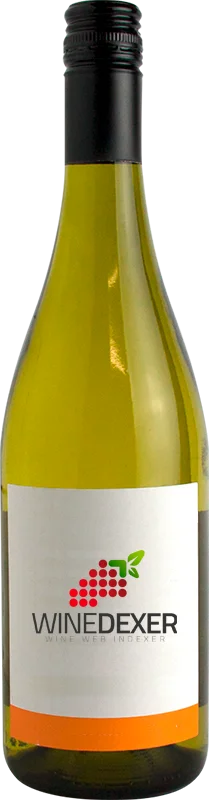
Winery CotnariChateau Cotnari
 White wine


This wine generally goes well with
Wine flavors and olphactive analysis

Details and technical informations about Winery Cotnari's Chateau Cotnari.
Discover the grape variety: Sylvaner
The sylvaner is grown mainly in Germany and Alsace. The buds are somewhat cottony and the young leaves are green. The same applies to the ribbed branches. Once mature, the dominant colour is golden-green and small elliptical berries with small to medium-sized bunches can be seen. The ripe fruit is then adorned by five-lobed leaves. This variety is susceptible to chlorosis, gray mold, powdery mildew and mildew. It is also sensitive to frost and wind because of its long branches. It can be grown in any kind of soil, although it prefers stony, sandy and light soils. It is indeed moderately acidic and offers a complex set of aromas such as bitter almond, fruity and floral background. The taste has an excellent mixture of honey and candied or dried fruits.
Last vintages of this wine

The best vintages of Chateau Cotnari from Winery Cotnari are 2010, 0, 2016, 2017
Informations about the Winery Cotnari
The Winery Cotnari is one of of the world's great estates. It offers 35 wines for sale in the of Moldova to come and discover on site or to buy online.

The wine region of Moldova
Romania is located at the geographical crossroads between Central and South-Eastern Europe. The Romanian wine industry uses a wide range of indigenous and international red and white Grape varieties. Both vinifera and American grape species are present here, as well as a number of hybrids. The latter are chosen for their resistance to varying Climates.
The word of the wine: Reassembly
During the vinification process, a "cap" is formed at the top of the vats with the solid parts (skin, pulp, pips, etc.), which contain tannins and colouring elements. Pumping over consists of emptying the vat from the bottom and pouring the juice back to the top, in order to mix the cap and the juice and to favour the exchange and the extraction. This old technique allows a better exchange between the solid parts and the liquid.