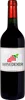
Winery CoquerelLa Douce Revanche
 wine
wine
This wine generally goes well with
The La Douce Revanche of the Winery Coquerel is in the top 0 of wines of Napa Valley.

Details and technical informations about Winery Coquerel's La Douce Revanche.
Discover the grape variety: Manto negro
Supple, sun-kissed reds with a clear ruby robe, melted tannins and moderate acidity. Aromas of ripe red fruits (cherry, raspberry), garrigue, Mediterranean herbs, soft spices and balsamic notes. Round, warm palate. Star of Binissalem DO and pillar of Pla i Llevant DO on the clay-limestone soils of Majorca; also vinified into expressive rosés. Native Spanish variety from the Balearic Islands, emblematic of the archipelago.
Informations about the Winery Coquerel
The Winery Coquerel is one of of the world's great estates. It offers 22 wines for sale in the of Napa Valley to come and discover on site or to buy online.

The wine region of Napa Valley
Absolute reference for American Cabernet Sauvignon: powerful, opulent reds with ripe aromas of blackcurrant, blackberry, chocolate and cedar, velvety tannins and a silky finish, long ageing. Also round Merlot, rich buttery Chardonnay, fruity Sauvignon Blanc, spicy Zinfandel. Narrow Californian valley between the Mayacamas and Vaca Mountains, tempered by San Pablo Bay fog, 17 sub-AVAs (Oakville, Rutherford, Stags Leap, Howell Mountain). Cradle of icons Opus One, Screaming Eagle, Caymus.
The wine region of California
Powerful, sunny reds: dense Napa Cabernet Sauvignon (blackcurrant, chocolate, tobacco, ample tannins), spicy, jammy Zinfandel from the Sierra Foothills, silky red-fruited Pinot Noir on the cool coast (Sonoma, Russian River, Central Coast). Opulent, buttery Chardonnay, notes of yellow fruit and vanilla. Varied climate, from the hot interior to the Pacific-cooled coast. 80% of US production, 139 AVAs including Napa (1st AVA, 1981).
The word of the wine: Disgorging (champagne)
This is the evacuation of the deposit formed by the yeasts during the second fermentation in the bottle, by opening the bottle. The missing volume is completed with the liqueur de dosage - a mixture of wine and cane sugar - before the final cork is placed. For some years now, some producers have been replacing this sugar with rectified concentrated musts (concentrated grape juice) which give excellent results. A too recent dosage (less than three months) harms the gustatory harmony of the champagne.