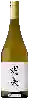
Winery ConversaGarnacha
 Red wine



In the mouth this red wine is a powerful with a nice freshness.
This wine generally goes well with poultry, beef or game (deer, venison).

Taste structure of the Garnacha from the Winery Conversa
Light | Bold | |
Smooth | Tannic | |
Dry | Sweet | |
Soft | Acidic |
In the mouth the Garnacha of Winery Conversa in the region of Rioja is a powerful with a nice freshness.
Food and wine pairings with Garnacha
Pairings that work perfectly with Garnacha



Original food and wine pairings with Garnacha


The Garnacha of Winery Conversa matches generally quite well with dishes of beef, pasta or lamb such as recipes of baeckeoffe, express beef cannelloni or lamb breast with onions and tomato sauce.
Details and technical informations about Winery Conversa's Garnacha.
Discover the grape variety: Gewurztraminer
Full-bodied, exotic whites, rich and heady, with moderate acidity, showing opulent aromas of lychee, rose, mango, ginger, pink grapefruit and gentle spice. Made as aromatic dry, moelleux late-harvest and liquorous sélection de grains nobles. Star of Alsace AOC (one of the four noble varieties) and signature of Alto Adige (Tramin), Palatinate and Germany. A pink mutation of Traminer.
Last vintages of this wine
The best vintages of Garnacha from Winery Conversa are 2016, 2014, 0, 2007
Informations about the Winery Conversa
The Winery Conversa is one of of the world's greatest estates. It offers 2 wines for sale in the of Rioja to come and discover on site or to buy online.

The wine region of Rioja
Star of great Spanish reds: signature Tempranillo, elegant and complex, with notes of ripe cherry, plum, leather, vanilla and tobacco from American oak ageing. Classification by age: fruity Joven, balanced Crianza, ample Reserva, deep, silky Gran Reserva (5 years, 2 in barrel). Some fresh Viura whites and generous rosés. Spain's first DOCa (1991), 3 sub-zones (Alta, Alavesa, Oriental), 93.
The word of the wine: Mutage
The act of adding alcohol to a fresh grape must or to a fermenting must.