Winery Compagnie Vinicole de BourgognePommard
 Red wine



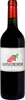
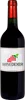
In the mouth this red wine is a powerful with a nice freshness.
This wine generally goes well with poultry, beef or veal.

Taste structure of the Pommard from the Winery Compagnie Vinicole de Bourgogne
Light | Bold | |
Smooth | Tannic | |
Dry | Sweet | |
Soft | Acidic |
In the mouth the Pommard of Winery Compagnie Vinicole de Bourgogne in the region of Burgundy is a powerful with a nice freshness.
Food and wine pairings with Pommard
Pairings that work perfectly with Pommard



Original food and wine pairings with Pommard

The Pommard of Winery Compagnie Vinicole de Bourgogne matches generally quite well with dishes of beef, veal or game (deer, venison) such as recipes of american fillet (belgian-style beef tartar), veal tagine with artichokes and lemons or paella valenciana (without seafood).
Details and technical informations about Winery Compagnie Vinicole de Bourgogne's Pommard.
Discover the grape variety: Pinot noir
Elegant reds, light in colour with silky tannins, showing strawberry, cherry and raspberry aromas, evolving to forest floor, mushroom and spice with age. Fresh acidity, delicate finish. Star of the Côte d'Or (Romanée-Conti, Chambertin, Volnay), pillar of Champagne (Blanc de Noirs) and signature of Oregon, Central Otago and Sonoma Coast. An early-ripening Burgundian variety, one of the world's greatest.
Last vintages of this wine
The best vintages of Pommard from Winery Compagnie Vinicole de Bourgogne are 2004, 2010, 2014, 2011 and 2016.
Informations about the Winery Compagnie Vinicole de Bourgogne
The Winery Compagnie Vinicole de Bourgogne is one of of the world's greatest estates. It offers 38 wines for sale in the of Pommard to come and discover on site or to buy online.

The wine region of Pommard
Sturdy bastion of the Côte de Beaune: signature Pinot Noir as exclusive king red — deep red with mauve glints, frank and powerful with notes of blackberry, blueberry, redcurrant, concentrated cherry and ripe plum, evolving into leather, pepper and chocolate with age, firm tannins and dense structure. More powerful and tannic than its neighbours (Volnay, Beaune), needing a few years' cellaring. Village AOC (1936) between Beaune and Volnay, rich clay-limestone, 28 Premiers Crus (Rugiens, Épenots).
The wine region of Burgundy
Absolute reference for great terroir wines: opulent, mineral Chardonnay in whites (chiselled Chablis, buttery Meursault, majestic Montrachet), fine and silky Pinot Noir in reds (full-bodied Gevrey, structured Pommard, delicate Volnay). Exceptional age-worthy wines with complex notes - red fruits, undergrowth, butter, hazelnut. Some lively Aligoté and light Gamay (Mâconnais). 29,500 ha, 84 tiered AOCs (Régionale, Village, 1er Cru, Grand Cru), 1,247 UNESCO Climats.
The word of the wine: Yeast
Micro-organisms at the base of all fermentative processes. A wide variety of yeasts live and thrive naturally in the vineyard, provided that treatments do not destroy them. Unfortunately, their replacement by laboratory-selected yeasts is often the order of the day and contributes to the standardization of the wine. Yeasts are indeed involved in the development of certain aromas.