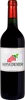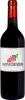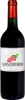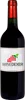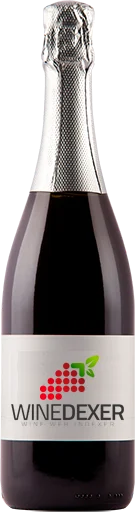
Winery Colonia Las LiebresBonarda Brut Nature Rosé
 Sparkling wine



This wine generally goes well with

Details and technical informations about Winery Colonia Las Liebres's Bonarda Brut Nature Rosé.
Discover the grape variety: Lemberger
Structured, elegant reds with a deep ruby hue, firm yet polished tannins and a dense palate with refreshing acidity; signature aromas of red fruits (morello cherry, raspberry), blackberry, spices, black pepper and mineral notes. Fine ageing potential. Star of Württemberg reds, also grown in the USA (Washington State, Finger Lakes). German synonym for Austrian Blaufränkisch, a native Central European black grape.
Last vintages of this wine
The best vintages of Bonarda Brut Nature Rosé from Winery Colonia Las Liebres are 2013, 2015, 0, 2014
Informations about the Winery Colonia Las Liebres
The Winery Colonia Las Liebres is one of of the world's greatest estates. It offers 9 wines for sale in the of Mendoza to come and discover on site or to buy online.

The wine region of Mendoza
World capital of Malbec: powerful, deep reds with blackberry, plum, violet and sweet spice, round tannins and vivid fruit. Also firm Cabernet Sauvignon, supple, juicy Bonarda, aromatic floral white Torrontés. High-altitude vineyards (800-1,700 m) at the foot of the Andes, dry continental climate irrigated by glacial waters. ~80% of Argentine output across 150,000 ha.
The word of the wine: Trader-breeder
In the major wine regions, the négociant does not simply buy and resell the wines but, from very young wines, carries out all the maturing operations until bottling.