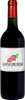
Domaine de ColonatFleurie Climat Champagne
 Red wine



In the mouth this red wine is a with a nice freshness.
This wine generally goes well with pork, poultry or veal.

Taste structure of the Fleurie Climat Champagne from the Domaine de Colonat
Light | Bold | |
Smooth | Tannic | |
Dry | Sweet | |
Soft | Acidic |
In the mouth the Fleurie Climat Champagne of Domaine de Colonat in the region of Beaujolais is a with a nice freshness.
Food and wine pairings with Fleurie Climat Champagne
Pairings that work perfectly with Fleurie Climat Champagne



Original food and wine pairings with Fleurie Climat Champagne

The Fleurie Climat Champagne of Domaine de Colonat matches generally quite well with dishes of pasta, veal or pork such as recipes of pasta with neapolitan sauce and mushrooms, beef mironton or nanie's diced ham quiche.
Details and technical informations about Domaine de Colonat's Fleurie Climat Champagne.
Discover the grape variety: Grasevina
Crisp, aromatic dry whites with a pale golden colour, soft texture and preserved acidity, showing signature aromas of white flowers (acacia), citrus (lemon), almond and white-fleshed fruits. Also made as fresh sparkling wines and round botrytised dessert wines. The backbone of Croatian and Balkan white wine, it is the Croatian name for Welschriesling, unrelated to German Riesling.
Informations about the Domaine de Colonat
The Domaine de Colonat is one of of the world's greatest estates. It offers 21 wines for sale in the of Fleurie to come and discover on site or to buy online.

The wine region of Fleurie
Beaujolais cru nicknamed the Queen, on the single commune of Fleurie. Signature Gamay noir: floral, perfumed reds with signature notes of violet, iris, strawberry, raspberry, peony and a peppery touch, silky tannins and an airy palate - the most delicate elegance of the crus. 13 recognised climats including Poncié, La Roilette, La Chapelle des Bois. Granitic soils with sandy gruss and manganese signing the finesse.
The wine region of Beaujolais
Kingdom of Gamay (98% of the vineyard): fruity, accessible reds with signature notes of cherry, raspberry, banana (carbonic maceration), violet and sweet spices, supple tannins and juicy acidity. From festive Beaujolais Nouveau (3rd Thursday of November) to the 10 more structured, age-worthy Crus: deep earthy Morgon, sturdy Moulin-à-Vent, floral Fleurie, crunchy Brouilly. Some lively Chardonnay. 12,000 ha south of Burgundy, granitic soils.
The word of the wine: Acidic (flavor)
Acidity is present in all wines, and is essential in white wines. It is due to the presence of different organic acids in the wine, and is expressed in the mouth by a sensation of freshness combined with other elements, such as minerality or a note of bitterness. Moderately present, it brings relief and vivacity to the wine.